




Sain baina uu! I’m Sugi from Tsogto Mongol Horse Riding Tour.
Want to visit Mongolia but worried about safety? Or is your family worried for you? Mongolia is a wonderful country, but there are a few things you should be careful about. Here our local tour staff explain what safety in Mongolia is really like.
Mongolia Is Fairly Safe — but Take Care in the City
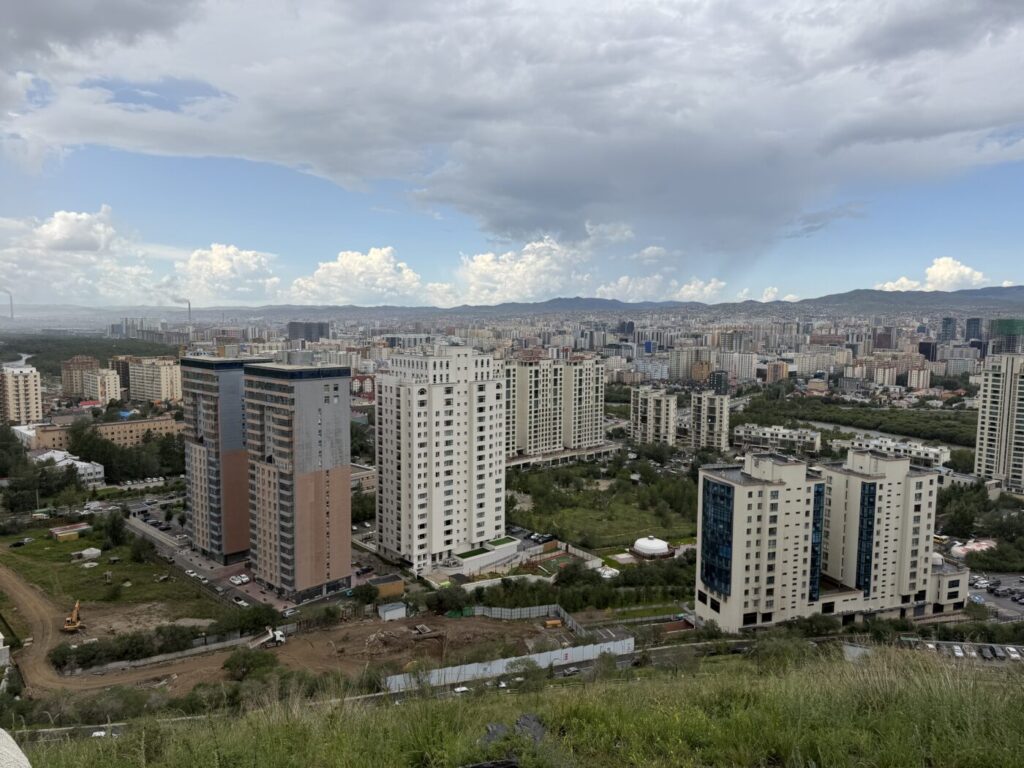
From a traveller’s point of view, Mongolia is fairly safe. There is no terrorist activity, and serious incidents involving tourists are rare. That said, crime has been rising in the capital, Ulaanbaatar. What travellers actually run into is pickpocketing and bag theft. It is not that the country is dangerous — just be careful in crowded places.
Before you go, also check your own government’s travel advice for Mongolia. Below are nine things worth knowing: pickpockets, bar areas at night, winter risks, unlicensed taxis, changing money, security in gers, the countryside, local laws, and healthcare and insurance.
1. Pickpockets Are the Main Risk
According to Mongolian police statistics compiled by Japan’s Ministry of Foreign Affairs, 44,673 crimes were recorded in 2024 — up by about 9,000 from the year before and the highest since 1990. Around 70% of all crime happens in Ulaanbaatar, where about half the population lives. Fraud is the most common category (35%), but for travellers the realistic threats are pickpocketing and bag snatching.
Our own staff have been targeted
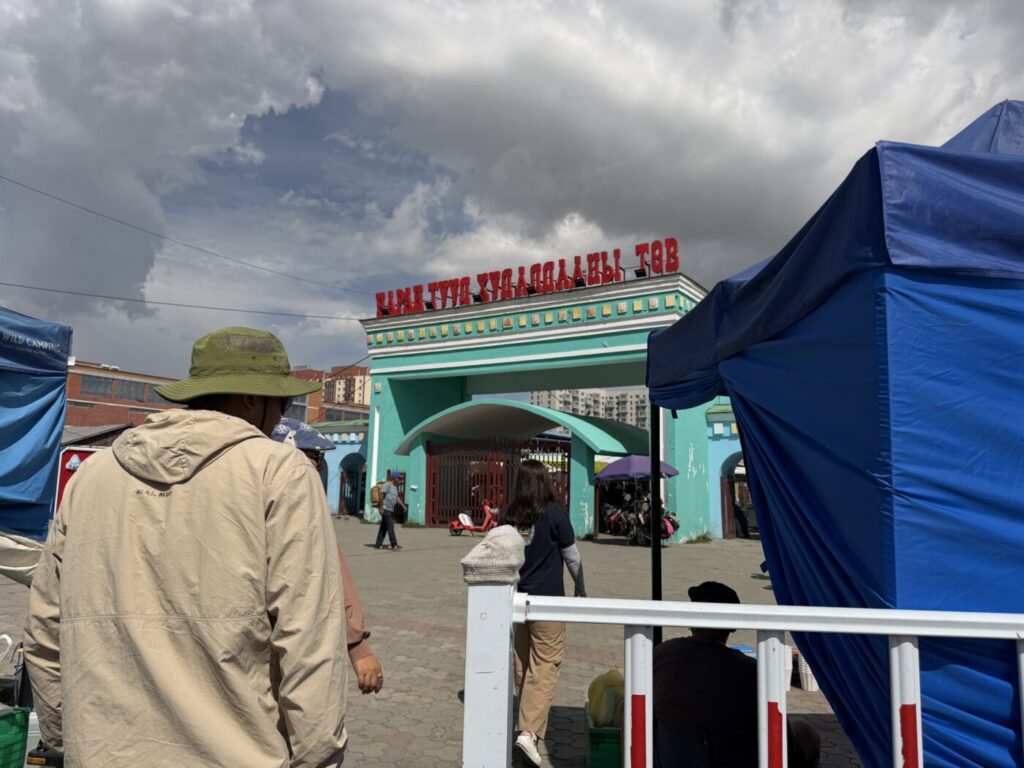
Takeshi from our team has had pickpockets follow him from behind and go for his bag on the streets around the Nomin department store, which can be full of them. He has also seen pickpockets at work in Narantuul Market. Amateurs are easy to spot, but professionals work in groups, surround you so you can’t move, and are much more dangerous.
We have also heard of a phone being stolen from someone’s back pocket at a bus stop. Some pickpockets are so skilled they take only the cash and put the wallet back — you won’t notice for hours.
Where pickpockets operate
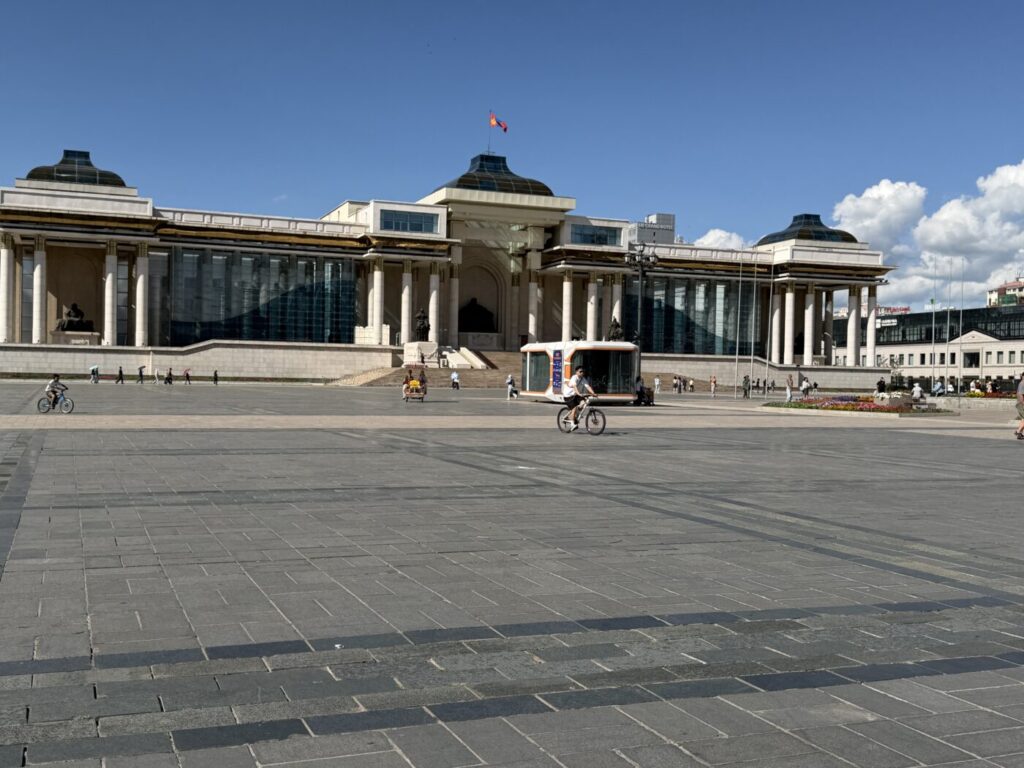
Markets, department stores, restaurants, buses and streets anywhere in the city. On city buses, thieves have even been reported slashing bags with knives to take what is inside.
Simple ways to protect yourself
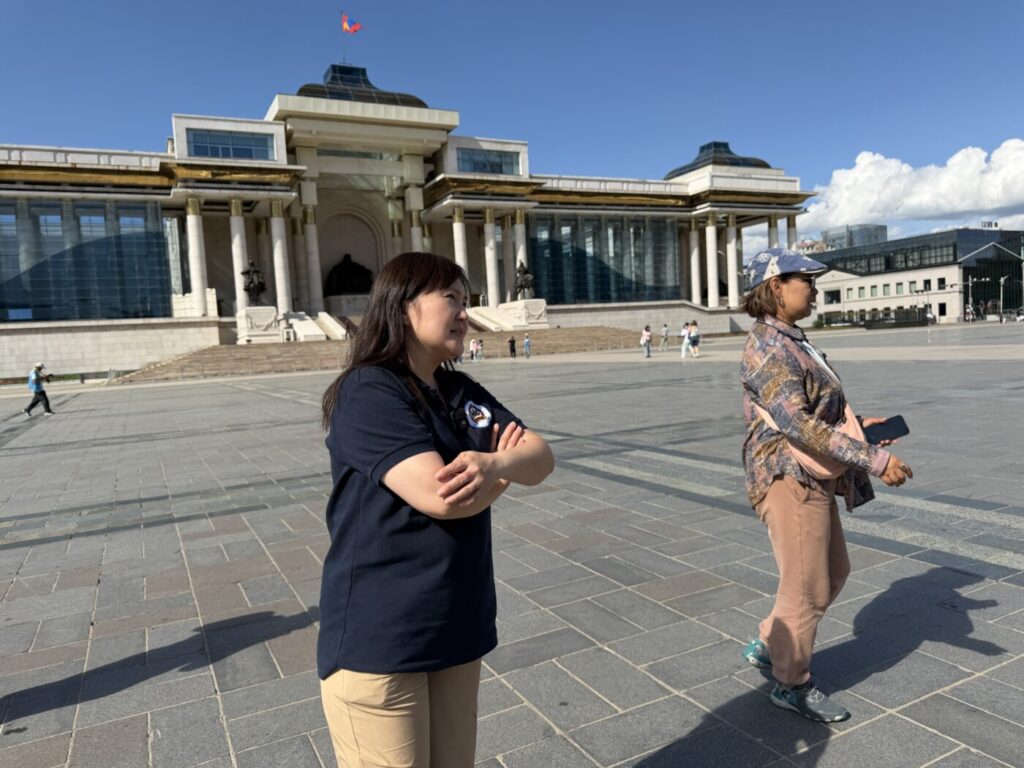
- Keep your wallet and phone in an inside pocket or deep in your bag, not in an outer pocket.
- Never use your back pocket.
- Don’t draw attention to yourself as a foreign tourist in markets.
- Don’t walk around with a big camera hanging from your neck.
- If you feel people are watching you rather than the goods, walk away.
Narantuul Market is great fun to wander — just go light and carry as little as possible.
2. Avoid Bar Areas at Night
Our staff say drunk people sometimes bother passers-by in nightlife areas — less out of malice than because they have lost all sense of personal space. Alcohol-related assaults are common in Ulaanbaatar.
The fix is simple: ignore them, don’t argue back, and walk towards where there are other people. Avoid going out alone at night; if you must, stick to well-lit, busy streets. Streets lined with bars and karaoke places are not somewhere to wander into casually.
3. Winter Hazards

Alcohol: every winter people freeze to death after falling asleep drunk outdoors. At −30°C that can be fatal. Mongolian vodka (arkhi) is 30–50% alcohol, so drink carefully.
Air pollution: in winter, coal burned for heating makes Ulaanbaatar’s air very poor. Bring PM2.5 masks. I also noticed it on my clothes — I went out in a white down jacket and it was grey by evening. Choose dark or easily washable outerwear.
Traffic: Ulaanbaatar’s traffic jams are bad in winter too. Leave plenty of time on the day of your flight.
New Year’s Eve countdown: very crowded

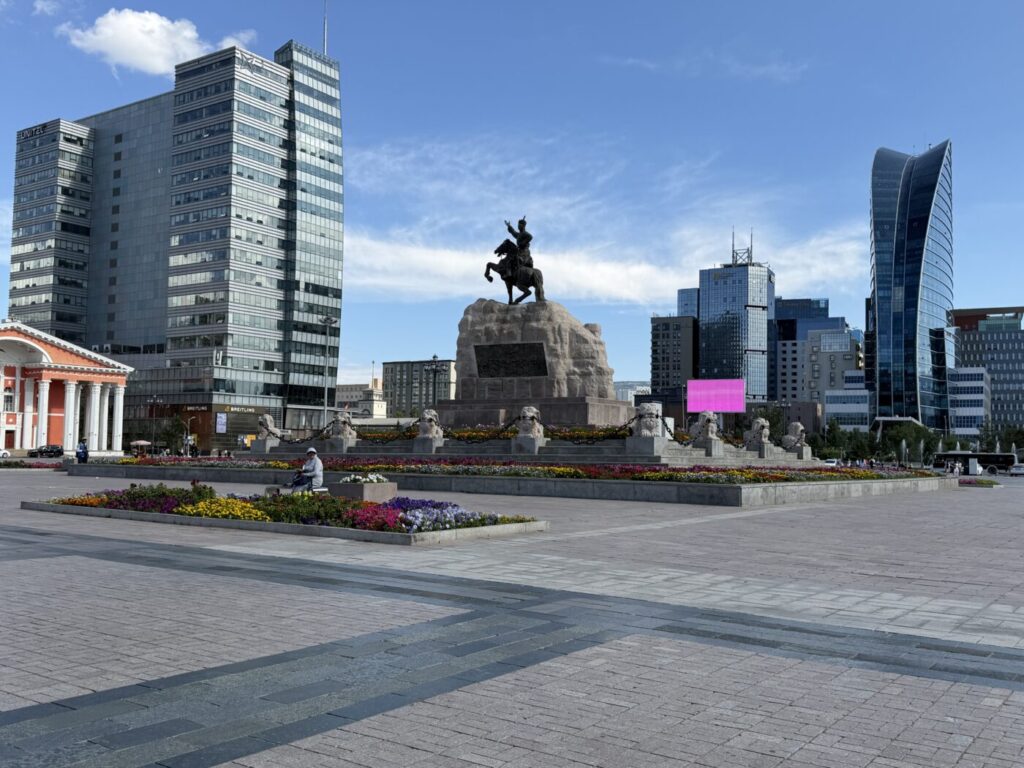
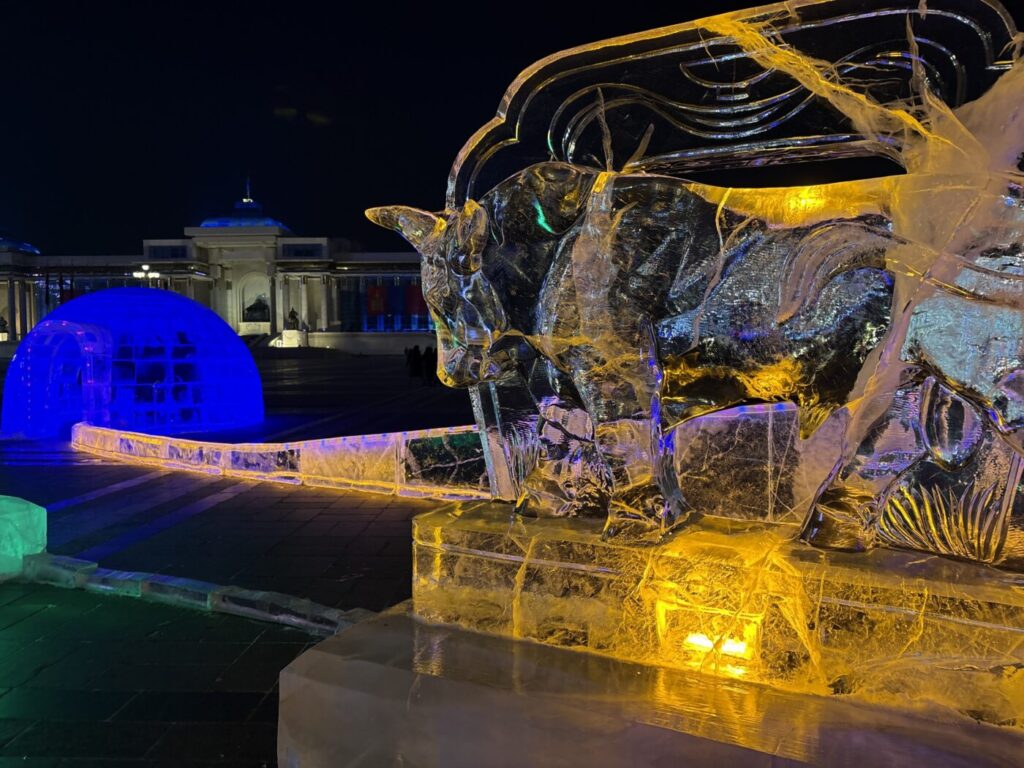
I went to the countdown event in Sükhbaatar Square at the end of 2025 — concerts and fireworks at midnight, one of the biggest New Year events in Mongolia. It was fun, but the crowd was unbelievable: people were pushing near the stage and it was hard to get out. Pickpocketing and trouble with drunk people have been reported, especially around midnight. Keep valuables in a bag held in front of you, and ideally go with local people.
4. Use Ride-Hailing Apps, Not Unlicensed Taxis
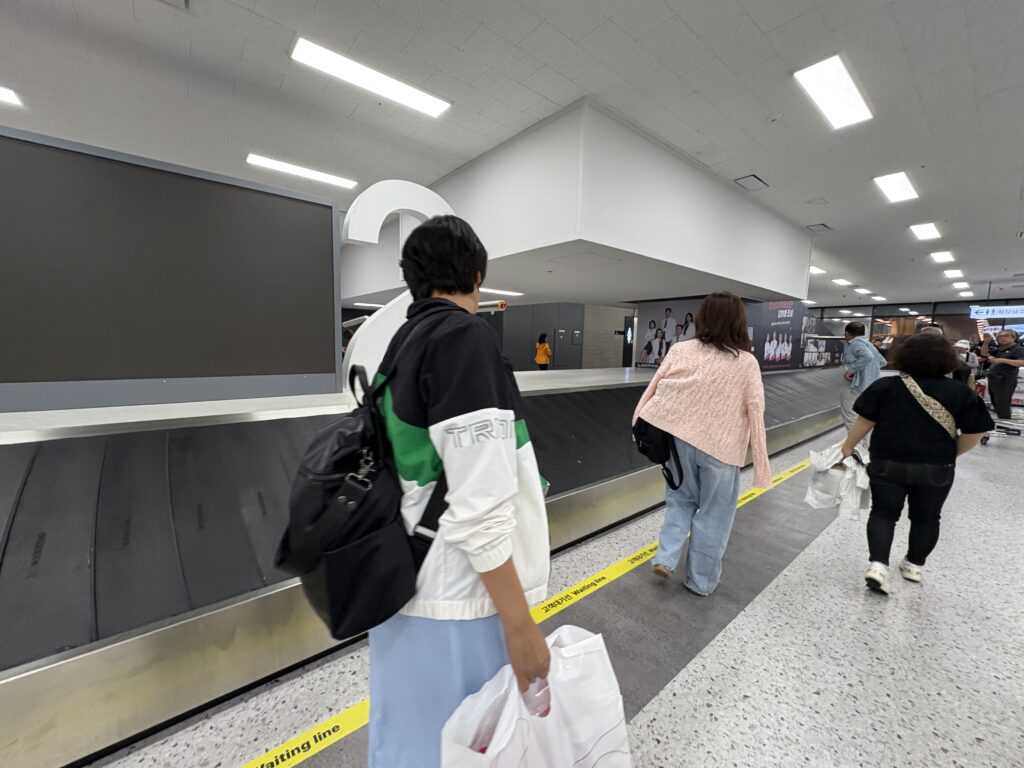
There have been cases where drivers of unlicensed taxis threatened passengers with a knife and took their cash. Trying to save a little can cost you a lot. When you get around on your own, use a ride-hailing app — there is no price haggling at all.
On our tours, airport transfers and all transport during the tour are in our own vehicles, so you will rarely need a taxi — only on free days in Ulaanbaatar. See also getting from the airport to Ulaanbaatar.
5. Choose Where and When You Change Money
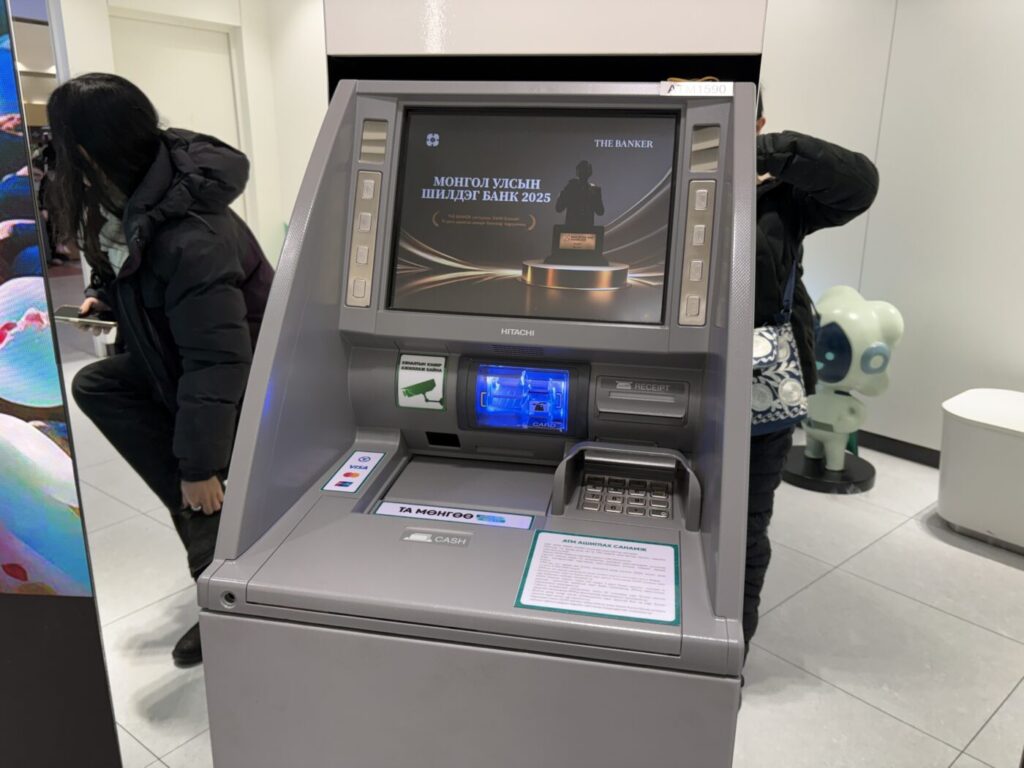
The moment you take out money is when you are most at risk, anywhere in the world. You may be approached outside exchange shops by people offering a better rate than the shop. There is a reason the rate is good: in the past, someone shouted “Police!” and ran off with the money the moment it was handed over.
Always put your money away inside the exchange shop before you step outside.
A guest once told us an airport ATM kept their card, so I tested it myself. It worked fine, but I still don’t particularly recommend it: losing a card abroad can cost you a lot of your trip. More in our guide to money in Mongolia.
6. Security When Staying in Gers
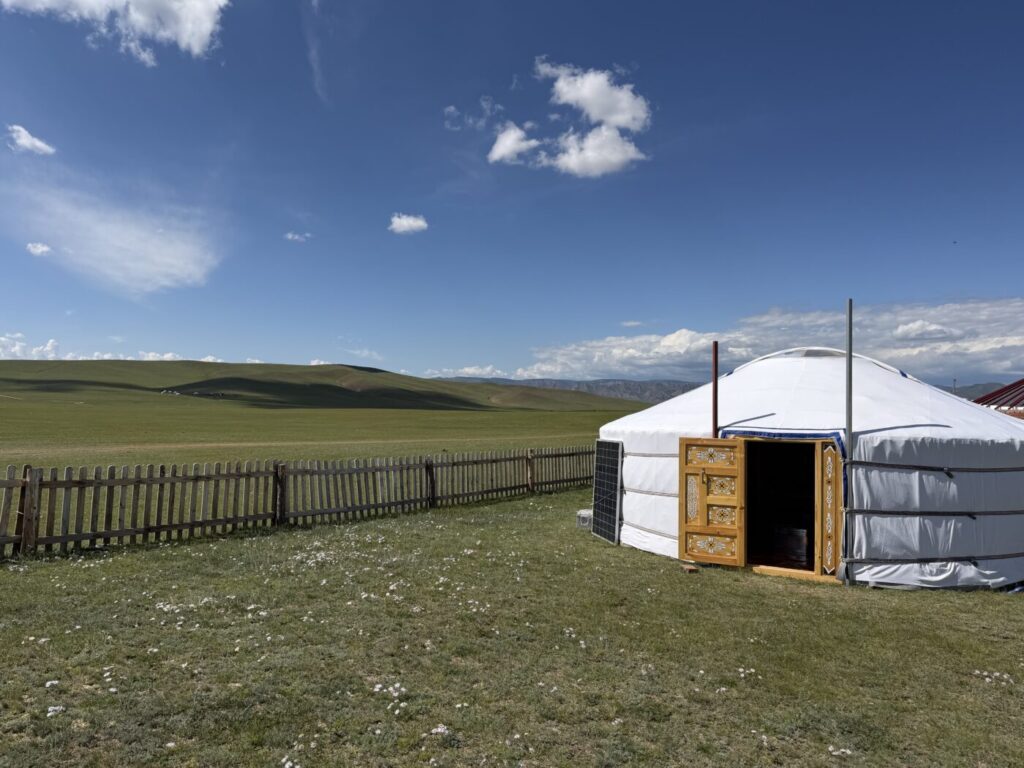
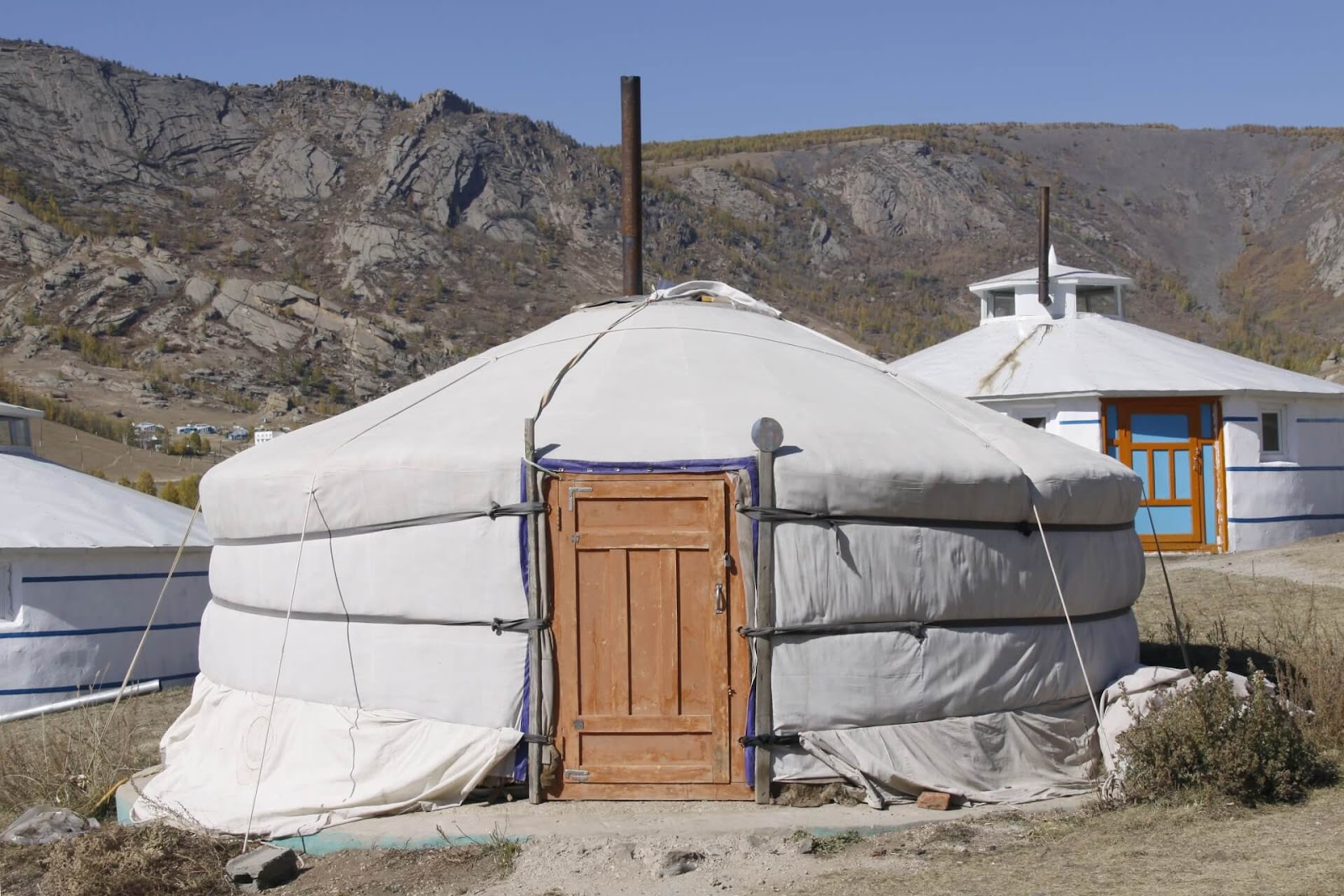
There have been reports of thieves entering tourist gers while guests slept and stealing cash and jewellery, because many gers can’t be locked. Sexual assaults on foreign travellers staying in gers have also been reported.
Bring as few valuables as possible, lock your bags, and avoid staying alone in a ger that can’t be locked. On our tours you stay at camps we arrange, with your guide, but there are all kinds of people on the steppe, so please look after your own valuables.
7. In the Countryside, Stay with a Guide
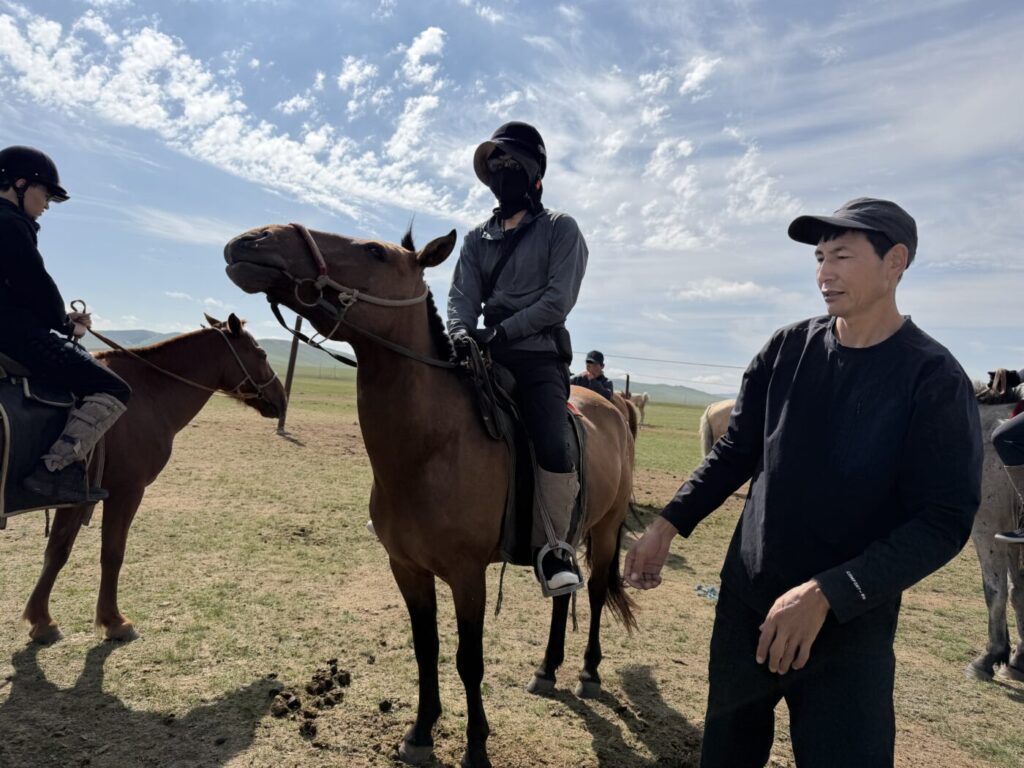
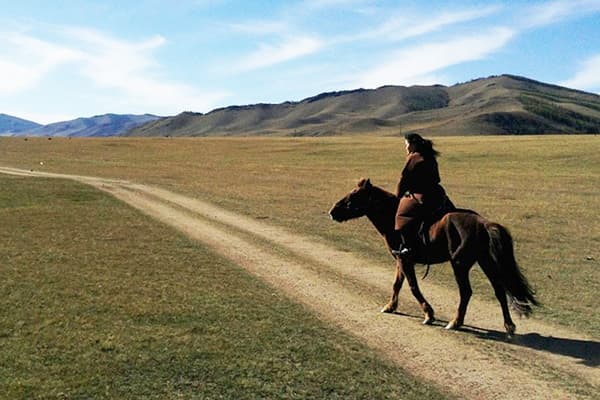
It is best not to travel alone in the countryside, even during the day, and to go with a trusted guide. That is not because the steppe is dangerous — but it is vast, there may be nobody around to help if something happens, there are no roads in many places, there is often no phone signal, and in winter it can be −30°C.
8. Local Rules You Should Know
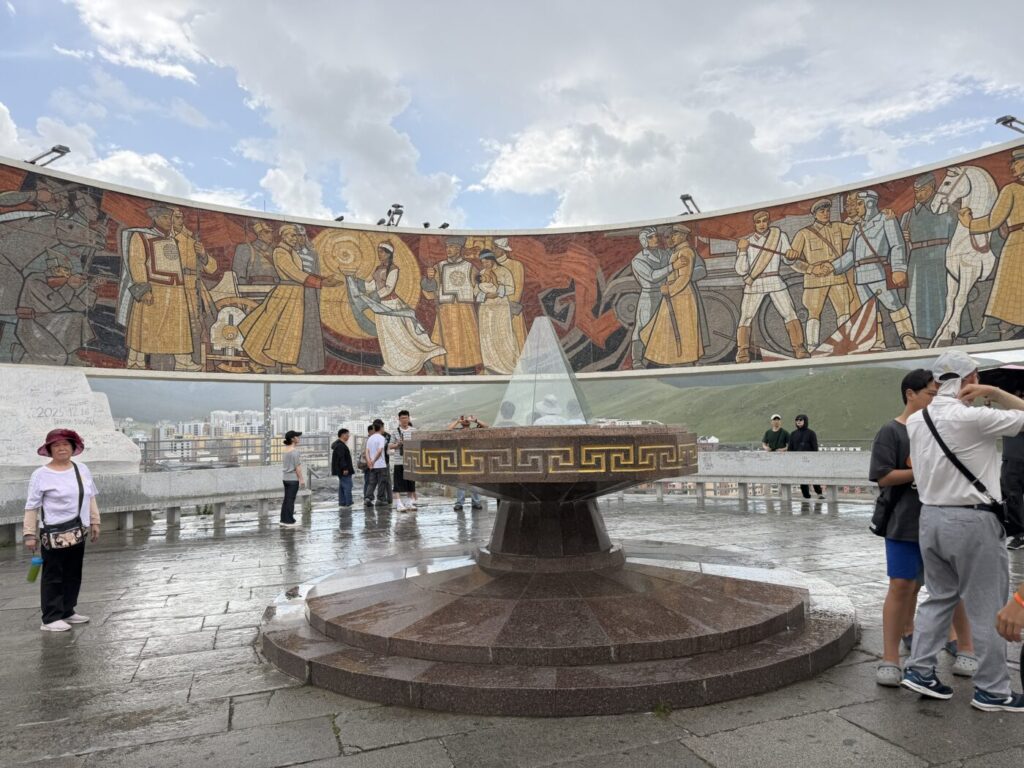
- You must carry your passport or ID at all times; otherwise you can be fined.
- Photography is prohibited at military facilities, thermal power plants, and in and around train stations.
- Pepper spray, stun guns and other self-defence weapons are illegal to possess. They will be confiscated and you may be detained.
- Approaching the border area without permission can lead to detention.
- Foreigners are prohibited from any political activity, including joining demonstrations or collecting signatures.
If you pack pepper spray to protect yourself, you could end up being the one detained — leave it at home.
Visa rules depend on your nationality. Many visitors can stay visa-free for a limited period, but check the current requirements for your passport before you travel.
9. Healthcare and Insurance
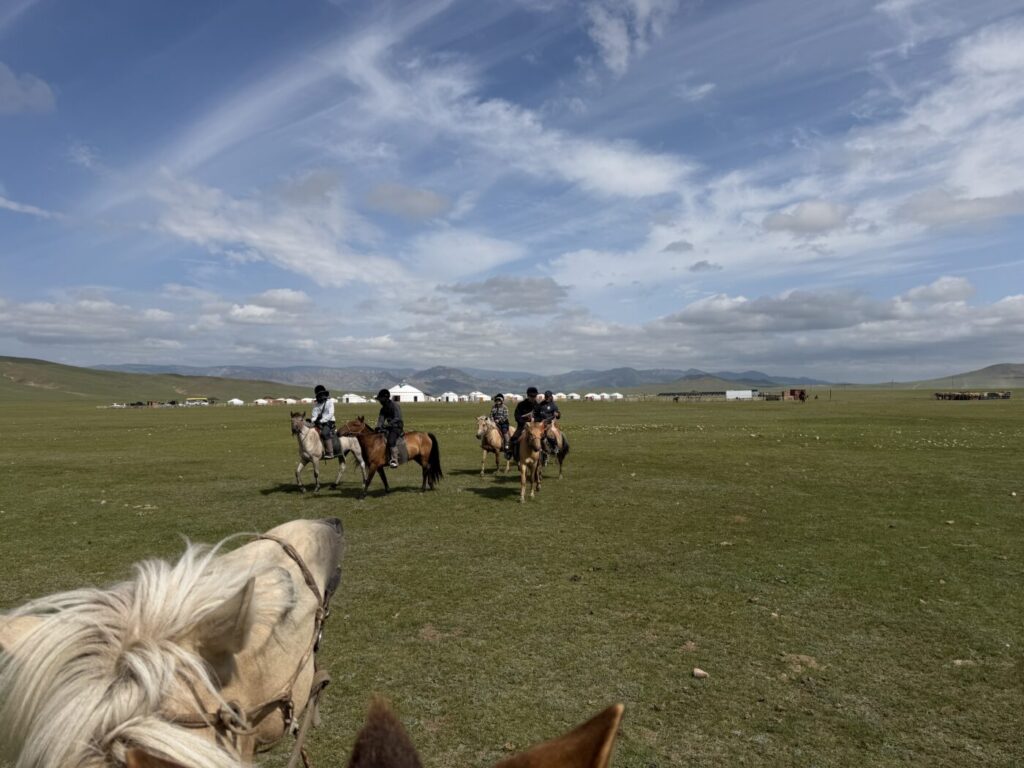
Medical facilities in Mongolia are limited, and serious cases may require evacuation by air to another country. We strongly recommend travel insurance with generous medical and evacuation cover.
If you are going to ride, insurance is essential: falls that cause head or body injuries do happen. On our tours we lend helmets and chaps, but please arrange your own insurance. See travel insurance for horse riding in Mongolia.
Emergency Numbers
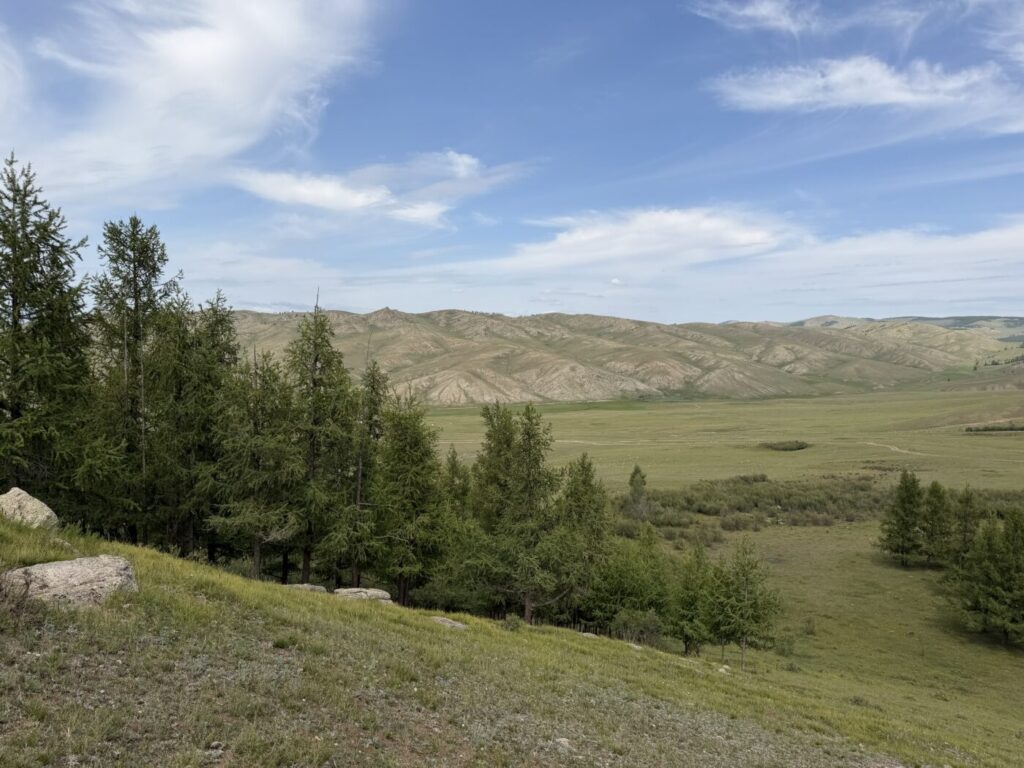
Save these numbers just in case. Mongolia’s country code is +976.
- Police: 102 (Mongolian, English, Russian)
- Ambulance: 103
- Fire: 101
- Rescue: 105
- Your country’s embassy in Ulaanbaatar (look up the number before you go)
FAQ
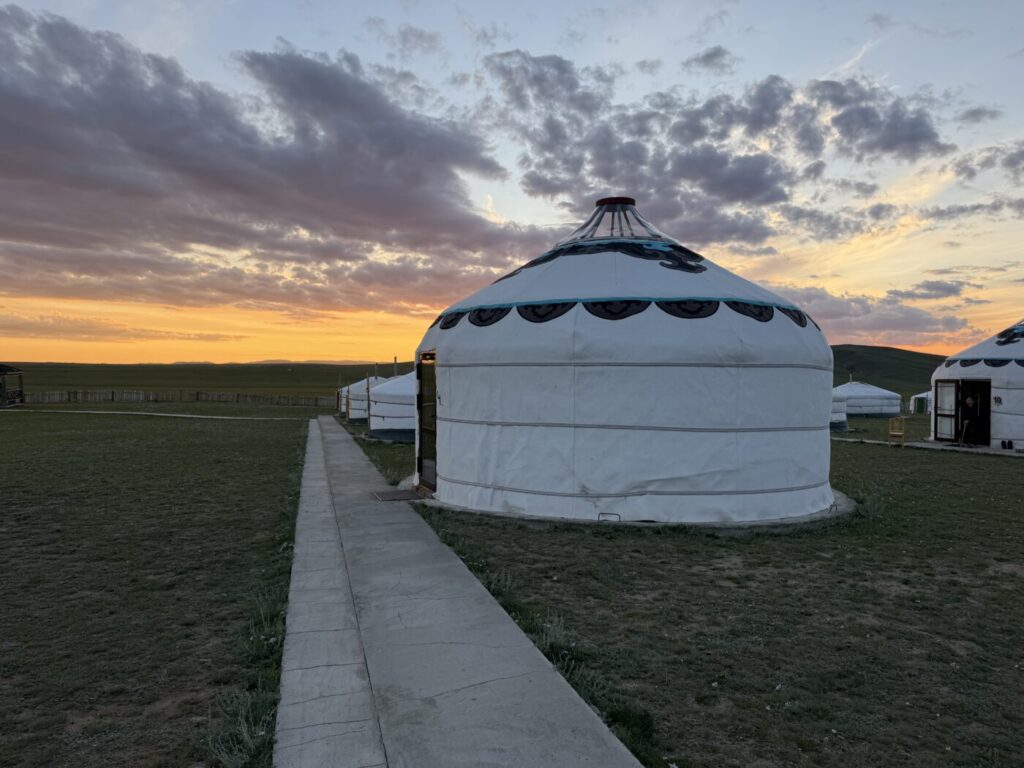
Is Ulaanbaatar dangerous at night?
Drunk people sometimes cause trouble in bar areas. Avoid going out alone at night; if you do, stick to well-lit, busy streets. If someone bothers you, don’t argue — move towards other people.
Is the New Year countdown safe?
It is a fun event, but Sükhbaatar Square gets extremely crowded and pickpocketing has been reported. Hold your valuables in front of you and go with local people if you can.
I heard there were riots in Mongolia once?
That was after the 2008 parliamentary election, when a state of emergency was declared. It was lifted the same year, and nothing similar has happened since.
Is the airport safe?
The airport is bright and busy. Still, keep an eye on your luggage, and check that nobody is standing behind you when you use an ATM.
Is it safe to travel on a tour?
On our tours, airport transfers and all transport are in our own vehicles, and an English-speaking guide accompanies you. Just take care of your valuables on free days in the city.


