




Sain baina uu! I’m Sugi from Tsogto Mongol Horse Riding Tour.
Did you know Mongolia has six UNESCO World Heritage Sites? There are both natural and cultural sites, and every one of them shows the sheer scale of this country. Here is a quick introduction to each — start with whichever one catches your eye.
Mongolia’s 6 World Heritage Sites
Two are natural sites and four are cultural sites.
- Uvs Nuur Basin (natural, 2003) — where Eurasia’s climate zones meet; a treasure house of ecosystems. Uvs Province, far west.
- Orkhon Valley Cultural Landscape (cultural, 2004) — the heart of the Mongol Empire, with inscriptions and ruins. Övörkhangai Province (Kharkhorin).
- Petroglyphic Complexes of the Mongolian Altai (cultural, 2011) — about 12,000 years of rock art left by the people of the steppe. Bayan-Ölgii Province.
- Great Burkhan Khaldun Mountain and its surrounding sacred landscape (cultural, 2015) — the sacred mountain linked to Chinggis Khaan. Khentii Province.
- Landscapes of Dauria (natural, 2017) — a paradise for migratory birds, shared with Russia. Dornod Province.
- Deer Stone Monuments and Related Sites (cultural, 2023) — mysterious standing stones carved with deer. Scattered across central and northern Mongolia.
The Sites One by One
Uvs Nuur Basin (2003): tundra and desert side by side
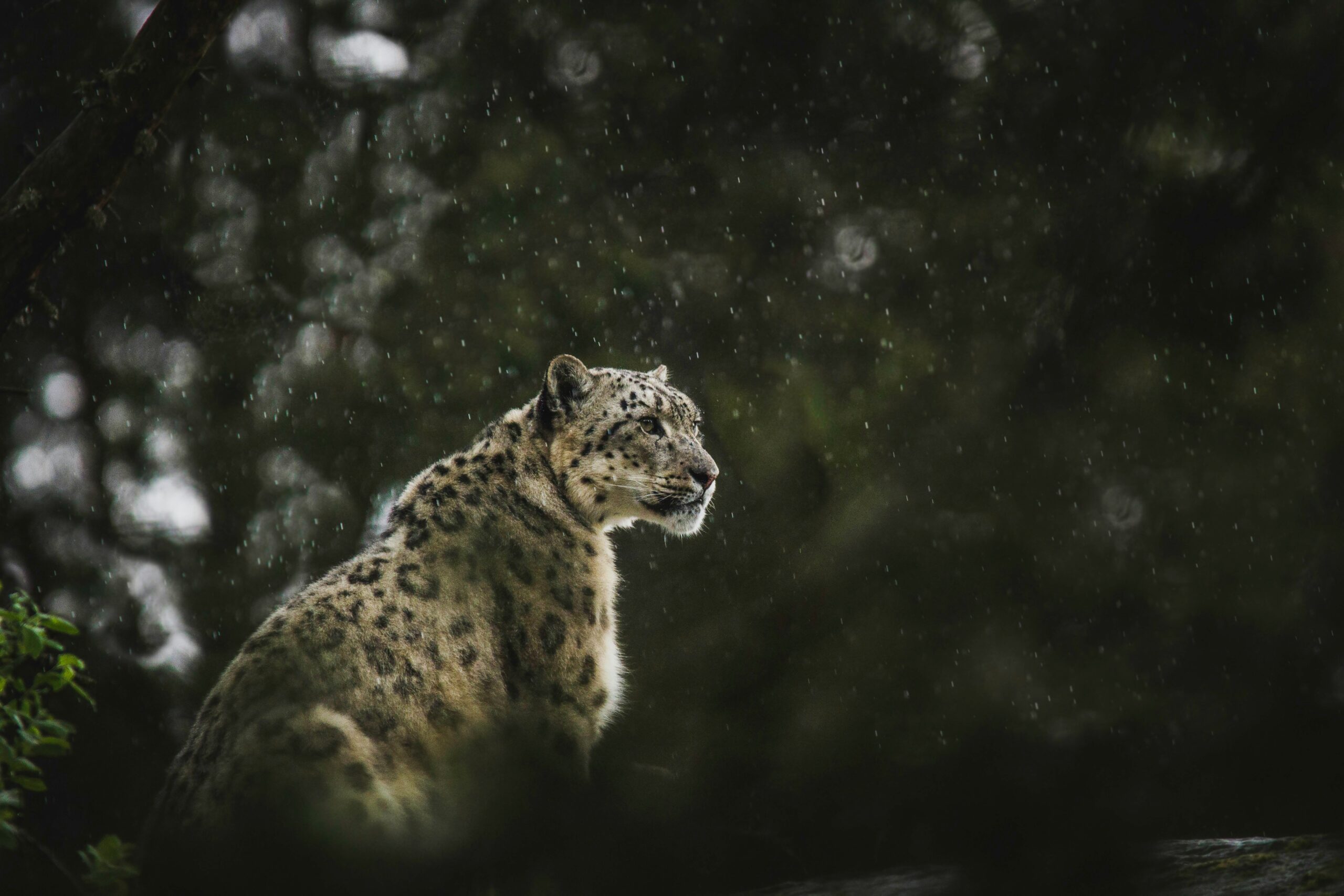
The Uvs Nuur Basin in western Mongolia looks like peaceful grassland, but it packs in an extraordinary range of nature. Tundra and desert sit right next to each other — very rare anywhere in the world — and it became a natural World Heritage Site in 2003. It lies near the Russian border, around Uvs Lake, Mongolia’s largest lake.
- All of Mongolia’s nature in one place: steppe, wetlands, glaciers, salt lakes, desert and tundra. Summer can go above 40°C and winter below −50°C.
- A refuge for wildlife: harsh as it sounds, rare mammals such as snow leopards, argali sheep and ibex live here, along with more than 170 species of birds.
- Ancient messages: the basin is also scattered with tens of thousands of archaeological sites left by nomadic peoples such as the Scythians and Turks. For now it is listed only for its nature, but perhaps one day its cultural value will be recognised too.
Petroglyphic Complexes of the Mongolian Altai (2011): 12,000 years of rock art
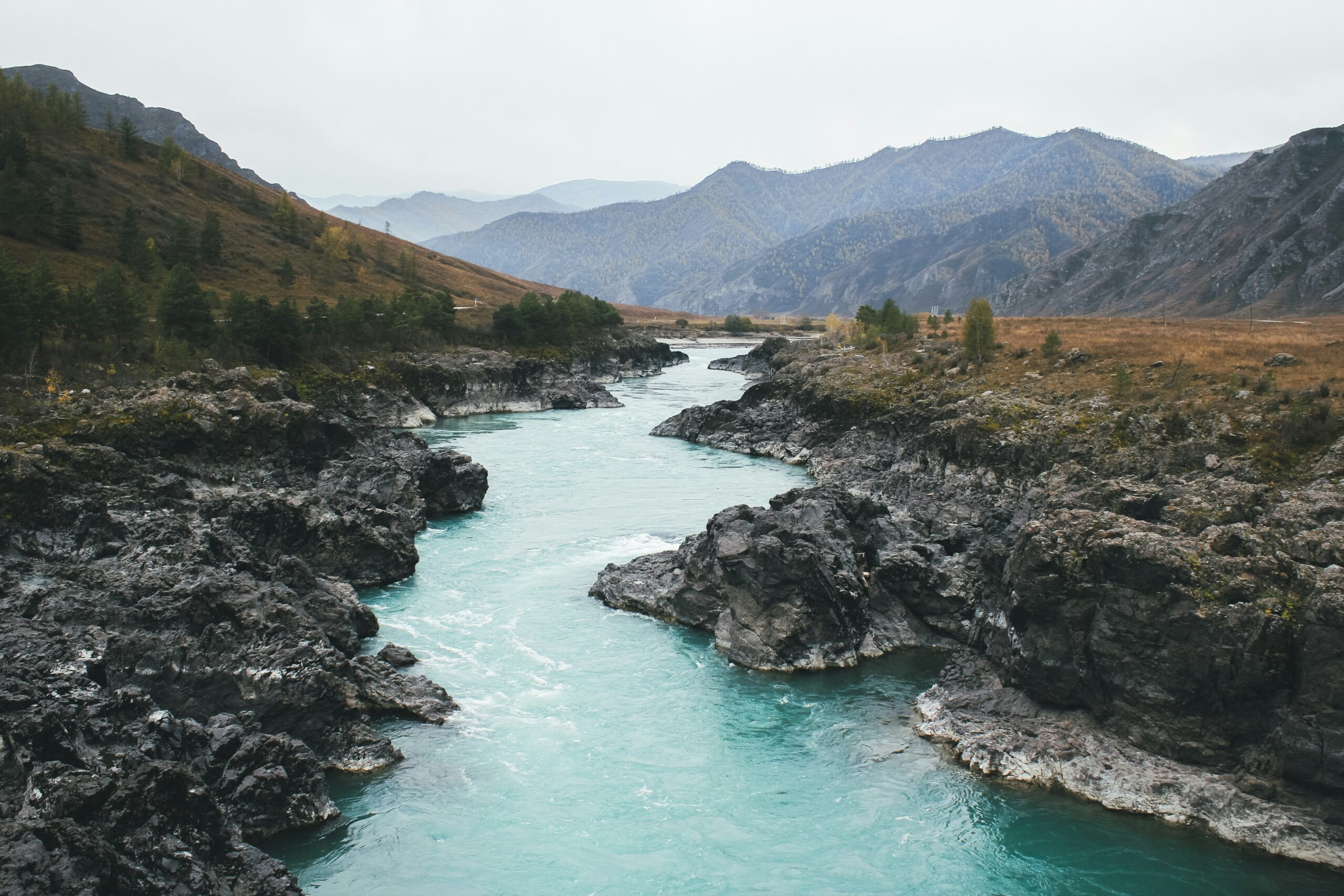
In the mountains of Bayan-Ölgii Province in the far west, the rock faces are covered in carvings. Listed in 2011, it is like an open-air museum of rock art.
- A record across 12,000 years: from the Palaeolithic to the Middle Ages — mammoths and elk, hunters, nomads with horses and even armed warriors.
- Everyday life in pictures: people drawing bows, chasing animals and moving with horses. The story is told in images, not words.
- Still a mystery: around the rock art are ancient graves and mounds that seem to have been used for rituals. Were they religious ceremonies, or messages to someone? We still don’t know.
Great Burkhan Khaldun Mountain (2015): where Chinggis Khaan prayed
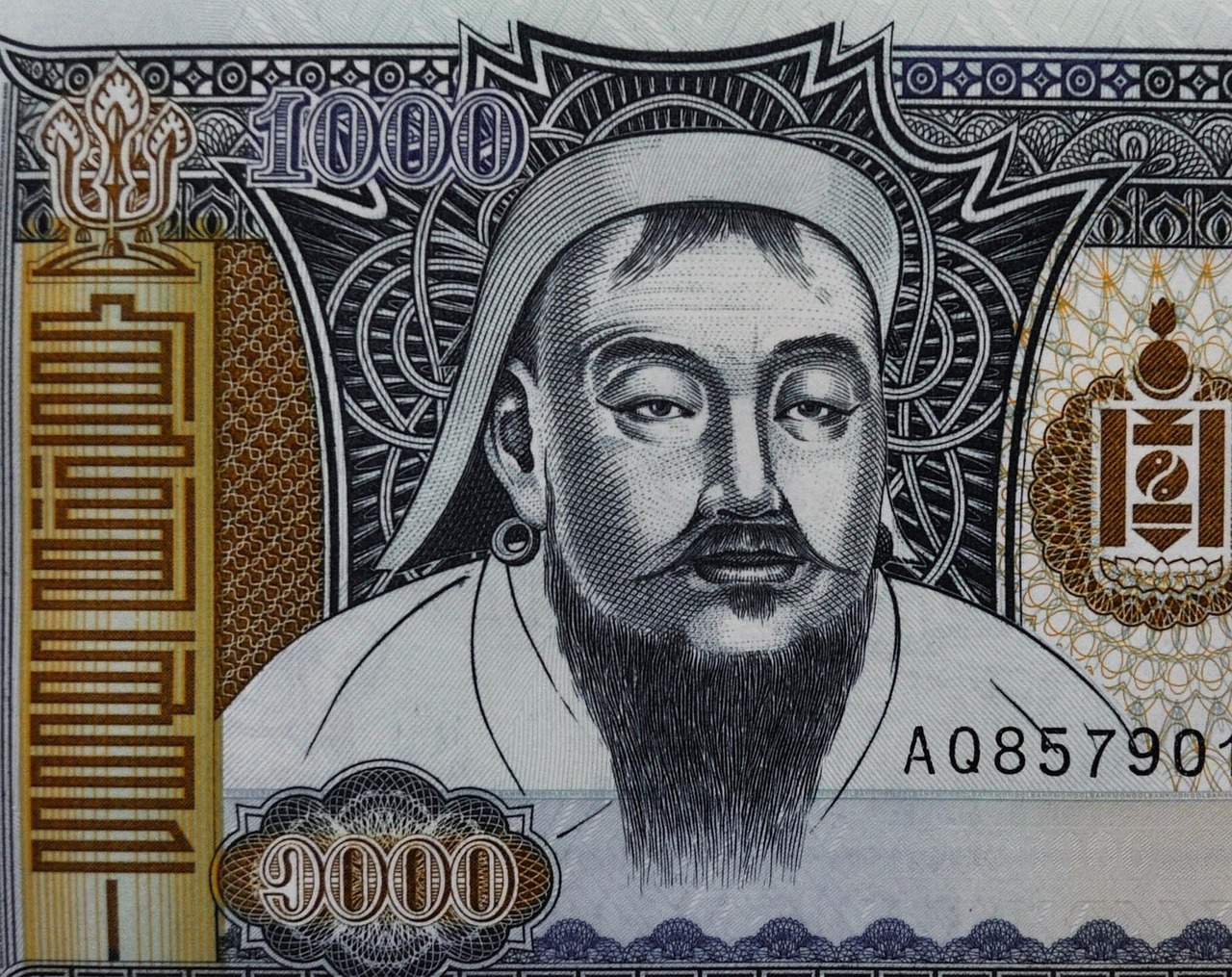
In north-eastern Mongolia, this sacred mountain and the landscape around it were listed in 2015. Of all Mongolia’s World Heritage Sites, it has the strongest spiritual meaning.
- The centre of Chinggis Khaan’s faith: legend says that as a young man, Chinggis Khaan escaped his pursuers by hiding on this mountain. From then on he worshipped it, and it became a spiritual pillar for Mongolians.
- Ovoo: the area is dotted with ovoo — stone cairns hung with blue silk scarves (khadag). Travellers stop at them to pray and give thanks, in a tradition that mixes shamanism and Buddhism.
- Protected as a legend: the mountain is one of the most sacred places in the country, and access is strictly controlled. Many believe Chinggis Khaan’s tomb is somewhere nearby, but its location has never been found.
Landscapes of Dauria (2017): wetlands across the border
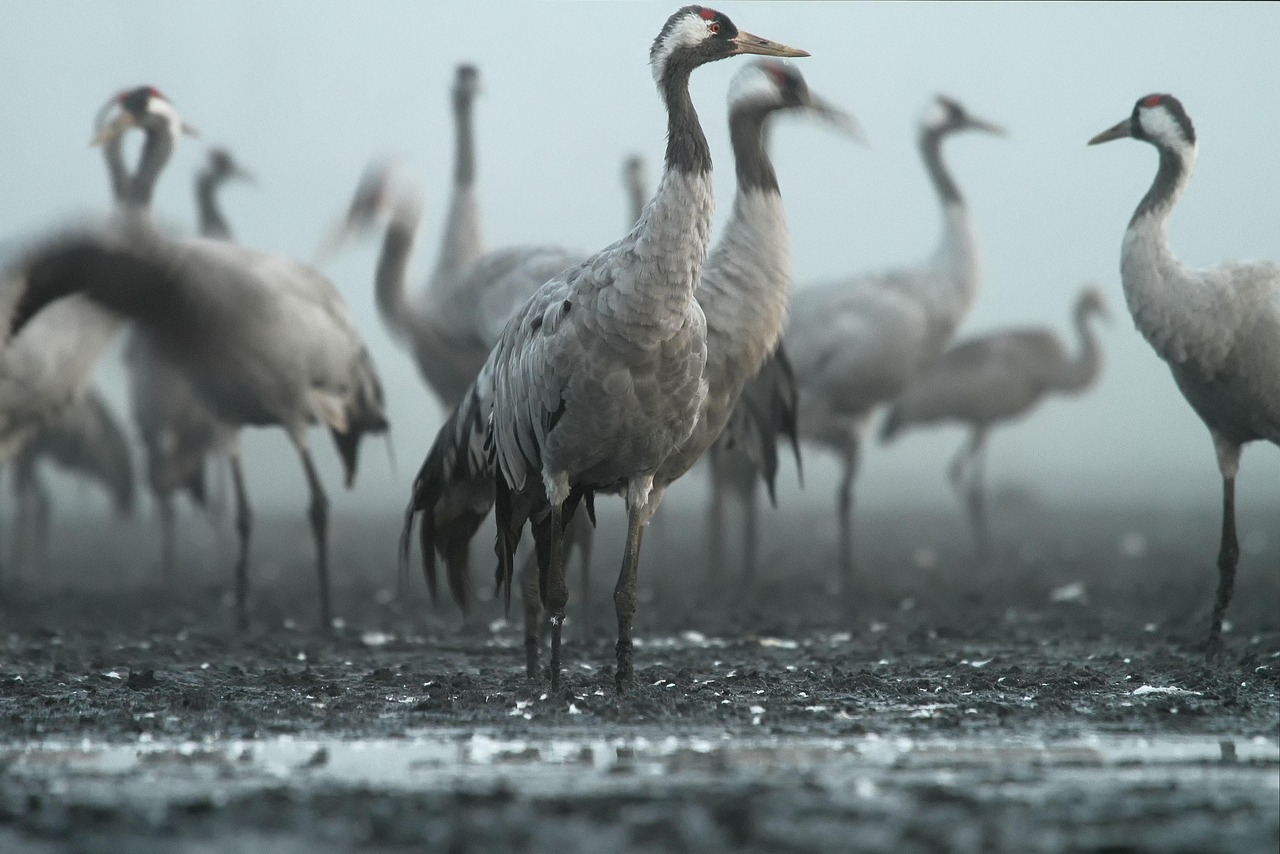
This vast area straddles the border between Mongolia and Russia and was listed in 2017. It has some of the richest biodiversity of any site in Mongolia: steppe, wetlands, forests and lakes.
- A highway in the sky: it is a key stopover for birds migrating along the East Asian–Australasian flyway. Rare species such as white-naped cranes, Siberian cranes and great bustards rest here.
- A landscape that changes over years: Dauria goes through long cycles of wet and dry. In dry years it is grassland; in wet years, lakes and marshes appear.
- Protected by two countries: it is managed jointly by Mongolia and Russia. It is Mongolia’s second cross-border site, after the Uvs Nuur Basin.
Orkhon Valley Cultural Landscape (2004): the valley of capitals
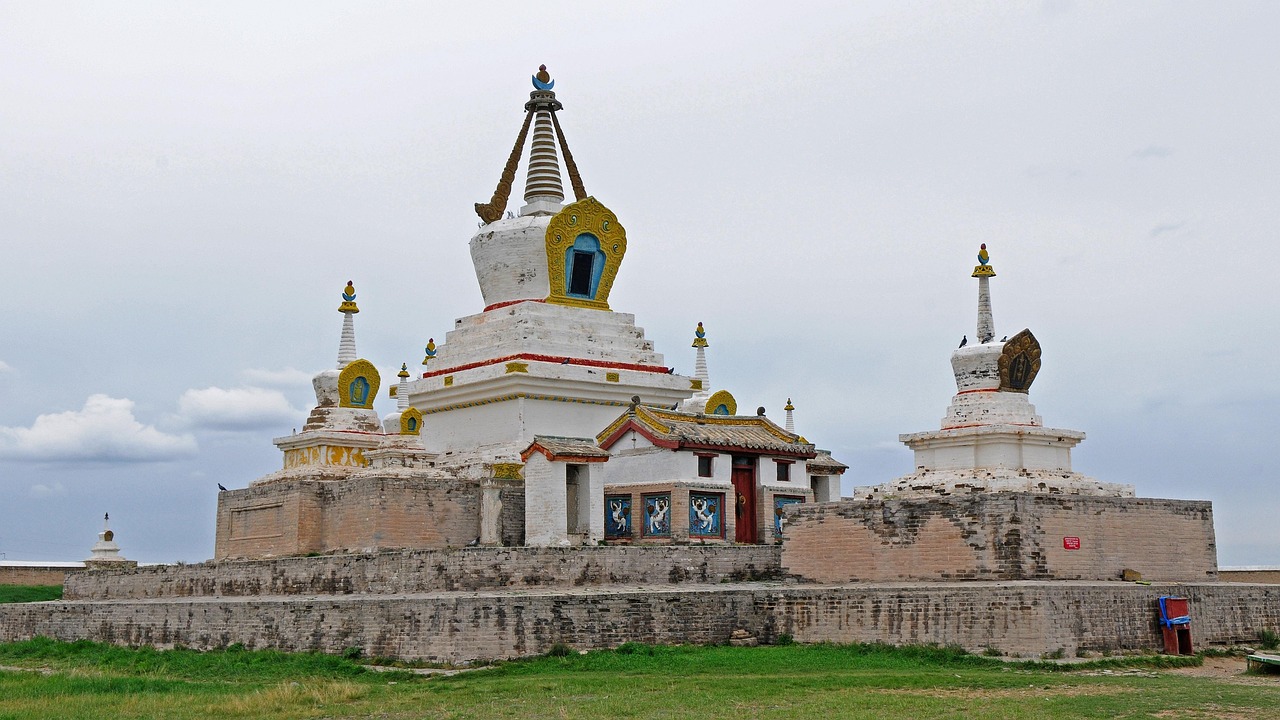
Along the Orkhon River in central Mongolia, this valley was listed in 2004 and is the best known of Mongolia’s World Heritage Sites. The remains of royal capitals and temples stand in the middle of the grassland, telling more than 2,000 years of nomadic history. Turks, Uyghurs and the Mongol Empire all rose and fell here.
- The Orkhon inscriptions: stone monuments from the 8th century, carved in Old Turkic script — one of the oldest scripts of the steppe peoples — recording the pride and hopes of rulers such as Bilge Khagan.
- Three eras in one valley: Kharbalgas, the capital of the Uyghur Khaganate; Karakorum, the capital of the Mongol Empire; and Erdene Zuu, the oldest surviving Buddhist monastery in Mongolia.
- Faith and everyday life: the surrounding mountains have long been sacred in the worship of Tengri (the sky). Herding families still live in the valley today.
Deer Stone Monuments (2023): mysterious deer on the steppe
Mongolia’s newest World Heritage Site. Deer stones are tall stone pillars, about 1–4 m high, carved with stylised deer and patterns that look like weapons. They date from roughly 1200 to 600 BCE and were raised by Late Bronze Age nomads.
- Who built them, and why? Places of prayer, memorials, or ancient art — nobody knows for sure.
- Found with graves and rituals: many stand alongside ancient burial mounds, stone enclosures and ritual structures, which suggests they were messages to the dead or to the gods.
- Spread across the country: the sites are scattered over many regions, each with its own patterns and layout — perhaps a network of shared beliefs across ancient Mongolia.
Travelling Mongolia Through Its World Heritage
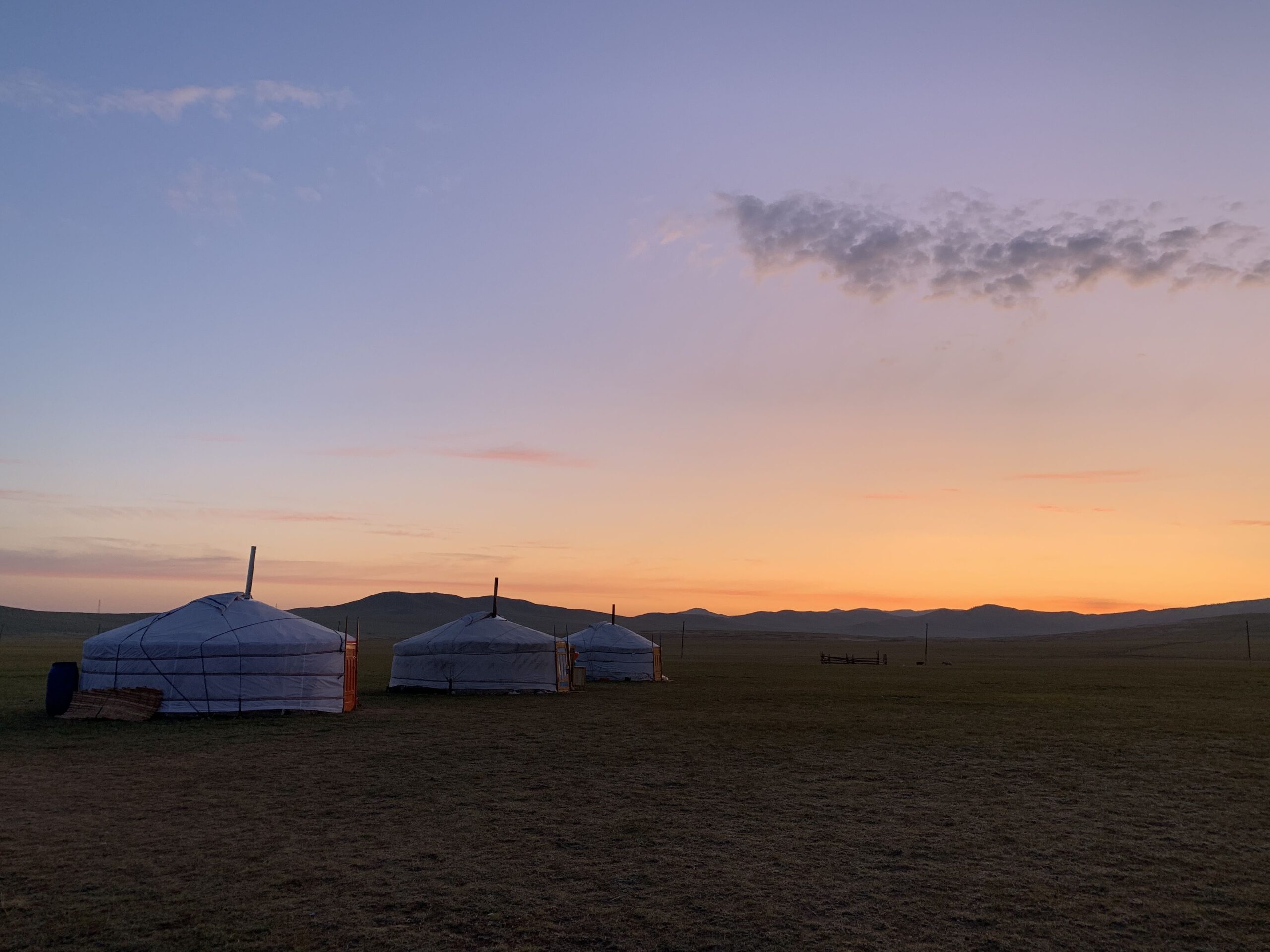
Each of these six sites quietly holds the life and faith of its time within the landscape. The hard part is planning: Mongolia is so big that it is difficult to know where to start. More big landscapes: 20 most beautiful places in Mongolia.
If you want to start close to Ulaanbaatar, our English-guided treks ride across the steppe east of the city — on the 200 km Gunjiin Temple Expedition you ride to the historic Gunjiin Sum Temple. Want to combine riding with the Orkhon Valley or another site? Contact us and tell us what you have in mind.