



Sain baina uu! I’m Takeshi from Tsogto Mongol Horse Riding Tour.
Mongolia’s climate is harsh, and dressing for the season makes all the difference to your trip. In this guide I go through the weather month by month and what to wear — especially for horse riding.
Mongolia’s Climate in a Nutshell
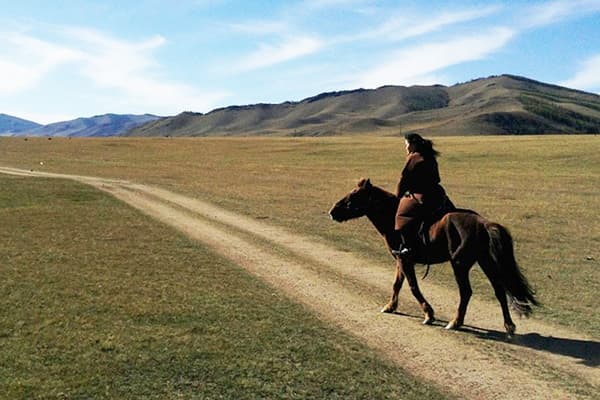
Mongolia is a country of vast steppe and extreme weather: winters are bitterly cold and summers are warm and dry. Temperatures also swing a lot between day and night, so layers are the key at any time of year.
Month by Month

Even in March, April and September it can drop below freezing, so always pack warm layers. In midwinter, full winter gear and heat packs are essential.
- January (deep winter): extremely cold. Wear thick, windproof layers.
- February (deep winter): still very cold, but starting to ease. Stay warm but able to move freely.
- March (winter): lambing and calving season — nomad camps are busy. Spring storms bring strong winds that make it feel colder. Pack full winter clothing.
- April (spring): many windy days; it feels colder than the thermometer says.
- May (spring): the steppe turns from brown to green. Still some cold days, but pleasant for riding.
- June (summer): summer begins and the grass is fresh and green. Light clothing, plus sun and insect protection.
- July (summer): the best of summer and the warmest month — comfortable rather than hot. Some years are rainy, so bring rain gear.
- August (summer): from mid-August there is a touch of autumn in the air. Days are still warm but nights are cool — dress in layers.
- September (autumn): temperatures fall. From mid-September it can snow and turn the steppe white overnight; the short, golden autumn ends quickly.
- October (winter): real cold arrives. Warm fabrics and a windproof jacket.
- November (deep winter): serious winter cold sets in.
- December (deep winter): very cold — you need your warmest coat and gear. From December you may see diamond dust (ice crystals sparkling in the air).
Best Time to Visit Mongolia

The best season is June to August. In June the steppe turns a beautiful fresh green. July is the most pleasant month and the time of the Naadam festival, with endless green grassland. August is already autumn by Mongolian standards, but the first half is comfortably warm; after mid-August it starts to cool down, though the days are still lovely. See also our guide to the best season to visit Mongolia.
Average Temperatures in Nalaikh (Our Base)

Monthly average temperatures in Nalaikh, where Tsogto Mongol Horse Riding Tour is based (source: Numbeo):
| Month | Average low | Average high |
|---|---|---|
| January | -32°C (-26°F) | -16°C (3°F) |
| February | -28°C (-18°F) | -11°C (12°F) |
| March | -17°C (1°F) | -1°C (30°F) |
| April | -4°C (25°F) | 10°C (50°F) |
| May | 2°C (36°F) | 16°C (61°F) |
| June | 9°C (48°F) | 22°C (72°F) |
| July | 12°C (54°F) | 24°C (75°F) |
| August | 11°C (52°F) | 23°C (73°F) |
| September | 2°C (36°F) | 16°C (61°F) |
| October | -7°C (19°F) | 9°C (48°F) |
| November | -20°C (-4°F) | -5°C (23°F) |
| December | -28°C (-18°F) | -14°C (7°F) |
How Cold Does It Actually Feel?
Looking at those winter numbers, you might expect it to be unbearable. It is cold, of course — but it doesn’t feel as cold as the numbers suggest. Mongolian air is very dry, and as long as you protect your skin, the cold doesn’t “soak in” the way damp cold does.
In my experience, Mongolian cold feels roughly 5–15°C (9–27°F) milder than the same temperature in a humid climate. That is just my personal feeling, though, and everyone is different. When it comes to winter clothing, too much is just right — please don’t underestimate the cold.
What to Wear, Season by Season

Deep winter (November–February)

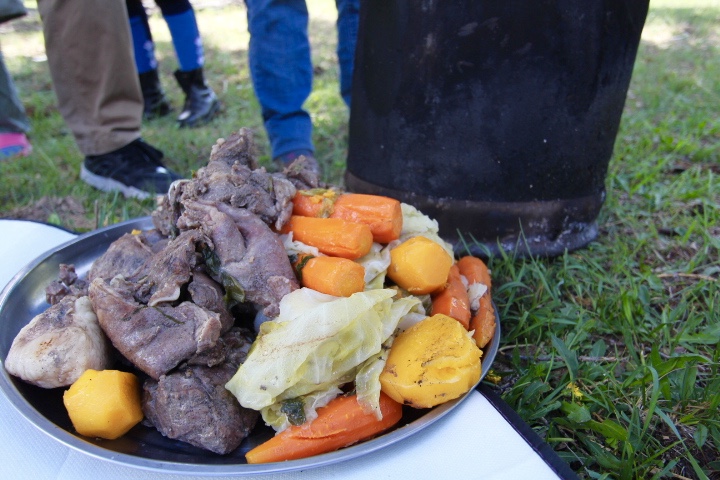
The coldest time of year — it can drop as low as −50°C. Good clothing is essential, and so is eating plenty of mutton to warm you from the inside!
- Head: a thick hat that blocks wind and snow, such as a fur trapper hat or a thick knitted hat. Ear coverage is best.
- Neck: a long, thick scarf you can wrap around your face.
- Upper body: thermal base layer, thermal long-sleeve top, thick sweater, light windbreaker, heavy down jacket (and a winter Mongolian deel if you have one). Avoid sweating — wear layers you can open quickly when you warm up.
- Hands: thin thermal gloves plus waterproof winter gloves on top. Around −40°C even two layers get cold, so tuck a heat pack inside.
- Lower body: thin and thick thermal leggings, track pants and windproof trousers. A deel doesn’t cover your legs, so wrap up well.
- Feet: two pairs of socks; stick-on foot warmers help, as feet get cold first when riding.
- Shoes: light, warm snow boots. Sneakers aren’t warm enough, and stiff hiking boots are not allowed because they don’t fit the stirrups. Inexpensive snow boots are fine.
Winter (October, March)

Not as cold as deep winter, but still like a cold winter’s day in many countries.
- Head: a regular winter hat, ideally covering your ears.
- Neck: a thick scarf.
- Upper body: thermal base layers, thick sweater, light windbreaker, light down jacket.
- Hands: thin thermal gloves, with waterproof gloves as a backup.
- Lower body: thermal leggings, track pants and windproof trousers.
- Feet: thick socks; winter shoes are ideal (well-insulated shoes are fine, but avoid breathable summer shoes).
Spring and autumn (April, May, September)

Milder than winter, but it may still feel cold. April and May are often windy, so focus on windproof layers. From mid-September it can snow and turn cold suddenly — bring something to keep your hands, feet, neck and ears warm, like ski clothing.
- Head: a winter hat or a regular hat that covers your ears.
- Neck: a regular scarf for cold mornings and evenings.
- Upper body: thermal base layers, light windbreaker, light down jacket.
- Hands: riding gloves or work gloves.
- Lower body: thermal leggings and trousers (windproof if possible).
- Feet: regular socks and shoes.
Summer (June–August)
The best season in Mongolia! You hardly sweat and the climate is wonderfully fresh. The sun is strong, so sunscreen and sunglasses are a must.
- Head: a hat with a brim to block the sun.
- Neck: no scarf needed, but a light scarf for sun protection can help — remove it or secure it while riding.
- Upper body: shirt, fleece and a light down jacket — mornings and evenings can be chilly even in midsummer.
- Hands: riding gloves or work gloves.
- Lower body: trousers. Beginners may appreciate padded cycling shorts underneath.
- Feet: regular socks and sneakers.
For more detail, see our Mongolia summer packing list.
Summary
Mongolia has big temperature swings, so plan your clothing carefully and enjoy your riding holiday. And don’t forget: eating well is part of staying healthy — enjoy plenty of delicious Mongolian food!