



Naadam is Mongolia’s biggest traditional festival, held every July and attended by huge crowds from Mongolia and abroad. At its heart are the “three manly games” — wrestling, horse racing and archery — surrounded by colourful costumes, music and food. It is also far more than entertainment: Naadam is a celebration of nomadic tradition and pride, and is listed by UNESCO as Intangible Cultural Heritage. This guide explains its history, when and where it takes place, and what to look out for.
What Is Naadam?
Naadam simply means “games” or “festival” in Mongolian. For centuries, nomads have competed in the skills of everyday steppe life — strength, riding and shooting — and these contests brought communities together.
History
The three games have deep roots in nomadic life. Naadam took its current form as a national celebration after the 1921 revolution, and the main festival is still held around the anniversary in July. Over time it has become one of the strongest symbols of Mongolian identity.
When and where
- National Naadam: held in Ulaanbaatar from 11 July, with the main events over three days (11–13 July). The opening ceremony takes place at the National Sports Stadium, with a parade of riders, music, traditional dance and a lot of pageantry.
- Local Naadams: provinces and smaller districts hold their own Naadams, mostly between late June and late July. They are smaller, more relaxed and every one has its own character — many visitors find them more memorable than the big one in the capital.
Why it matters
For Mongolians, Naadam is not just a holiday. It honours the nomadic way of life and passes it on to the next generation. Each game has its own meaning: wrestling stands for strength and courage, horse racing for speed and stamina, and archery for focus and skill.
The Three Games
Mongolian wrestling (bökh)
Wrestling is the symbol of Naadam. There is no ring and there are no weight classes. A wrestler loses as soon as any part of the body other than the feet and hands — a knee, an elbow, the back — touches the ground.
- Wrestlers wear an open-fronted jacket (zodog), tight briefs (shuudag) and traditional boots.
- Before and after a bout, wrestlers perform the “eagle dance”, spreading their arms like wings.
- The tournament is a knockout. How many rounds a wrestler wins decides his title — such as Nachin (falcon), Zaan (elephant) and Arslan (lion) — and repeat champions are honoured as Avarga (titan).
Horse racing

Naadam horse racing is not a lap around a track — it is a cross-country race over the open steppe. The most striking thing for visitors is that the jockeys are children.
- Races are divided by the age of the horses, from two-year-olds up to mature stallions, and the distance grows with age — from around 10 km to more than 25 km.
- Horses are prepared for weeks beforehand to build up their stamina.
- Many young jockeys ride with a very light saddle or none at all.
- The winning horses and their owners are celebrated, and a good racehorse brings great honour to its family.
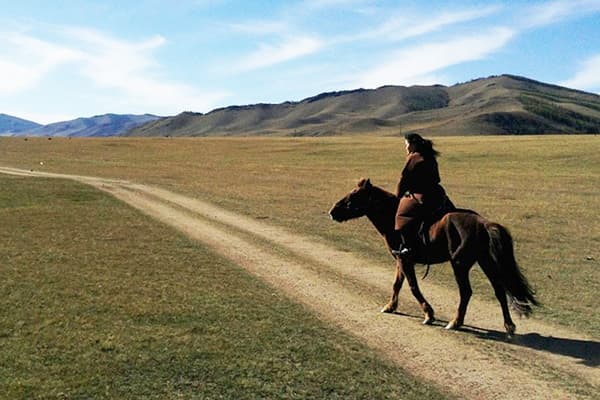
For nomads, horses are part of daily life, and the races are a wonderful window into Mongolia’s riding culture.
Archery
Archery goes back to the hunting and warfare of the steppe. At Naadam, both men and women compete: men shoot from 75 m and women from 60 m.
- The targets (sur) are rows of small leather cylinders set on the ground.
- When an archer hits, the judges raise their arms and sing out — the crowd joins in, and the atmosphere builds as the contest goes on.
- Bows are traditional composite bows made from natural materials.
- The best archers receive the title Mergen (marksman).
More to Enjoy at Naadam
- Riders on parade: at the opening ceremony and parades, horsemen in traditional dress ride in formation — a reminder that this is a nation of horse people.
- Traditional dress: look out for the colourful deel, Mongolia’s traditional robe. Crafts and everyday goods are displayed and sold, and you may see craftspeople at work.
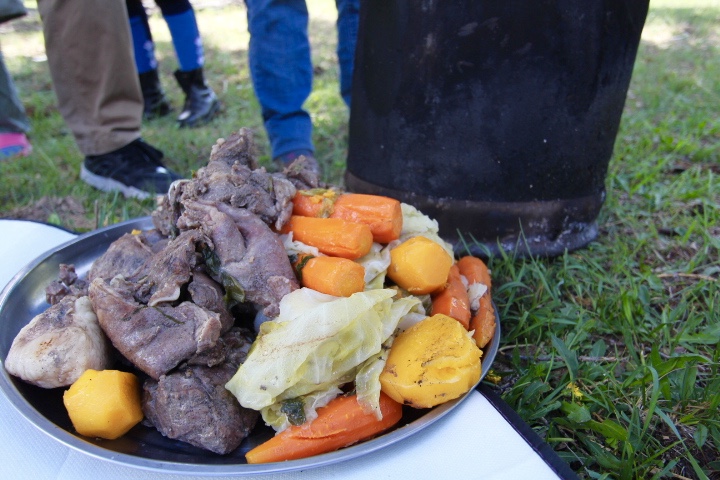
- Food: the festival snack is khuushuur, a fried pastry filled with meat. You will also find aaruul (dried curd) and, in summer, airag (fermented mare’s milk). More: traditional Mongolian food.
- Meeting nomads: during the festival season, especially at local Naadams, you have many chances to meet herding families and hear about their lives.
Tips for Visiting During Naadam
- Book early: July is the busiest month of the year. Flights, hotels and tours fill up quickly.
- Tickets: seats for the opening ceremony in Ulaanbaatar sell out, so arrange them well in advance.
- Crowds: watch your belongings — pickpockets are active in crowds. See Is Mongolia safe?
- Weather: July days are warm and the sun is strong, but evenings cool down. See Mongolia weather by month.
Experience the Steppe for Yourself

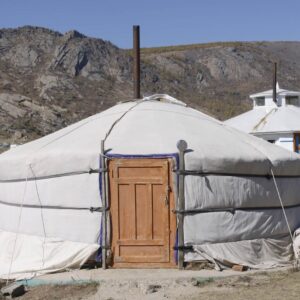
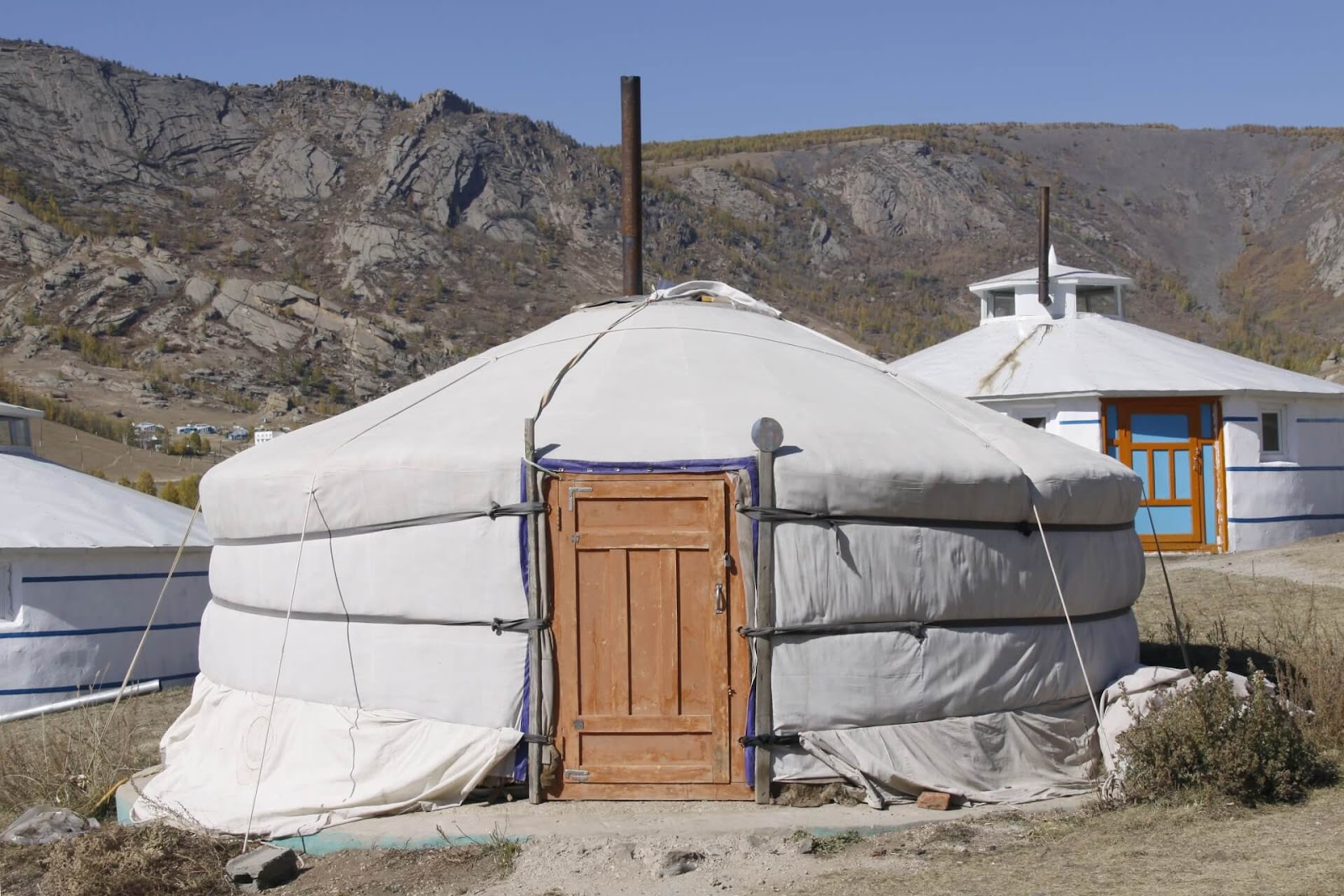
Watching the horse races is exciting — riding across the same kind of steppe yourself is even better. On our English-guided treks, you ride on the grasslands east of Ulaanbaatar with an English-speaking guide, sleep in gers and tents, and see nomadic life up close. Our treks run from May to mid-September, including the Naadam season. Questions? Contact us any time.