





Sain baina uu! I’m Takeshi from Tsogto Mongol Horse Riding Tour.
Not many people know much about Mongolian food — but the nomads make some truly delicious dishes! Mongolia’s vast, harsh land is not suited to farming, and nomads traditionally avoided digging into the earth, so herding rather than agriculture shaped the way they eat. Nomadic life and an extreme climate created a practical cuisine full of tradition.
Mongolian dishes are simple, so it is easy to see what goes into them. In a nomad family’s ger, everything is made from scratch — from flour to meat — with simple, wholesome ingredients.
What Makes Mongolian Food Different

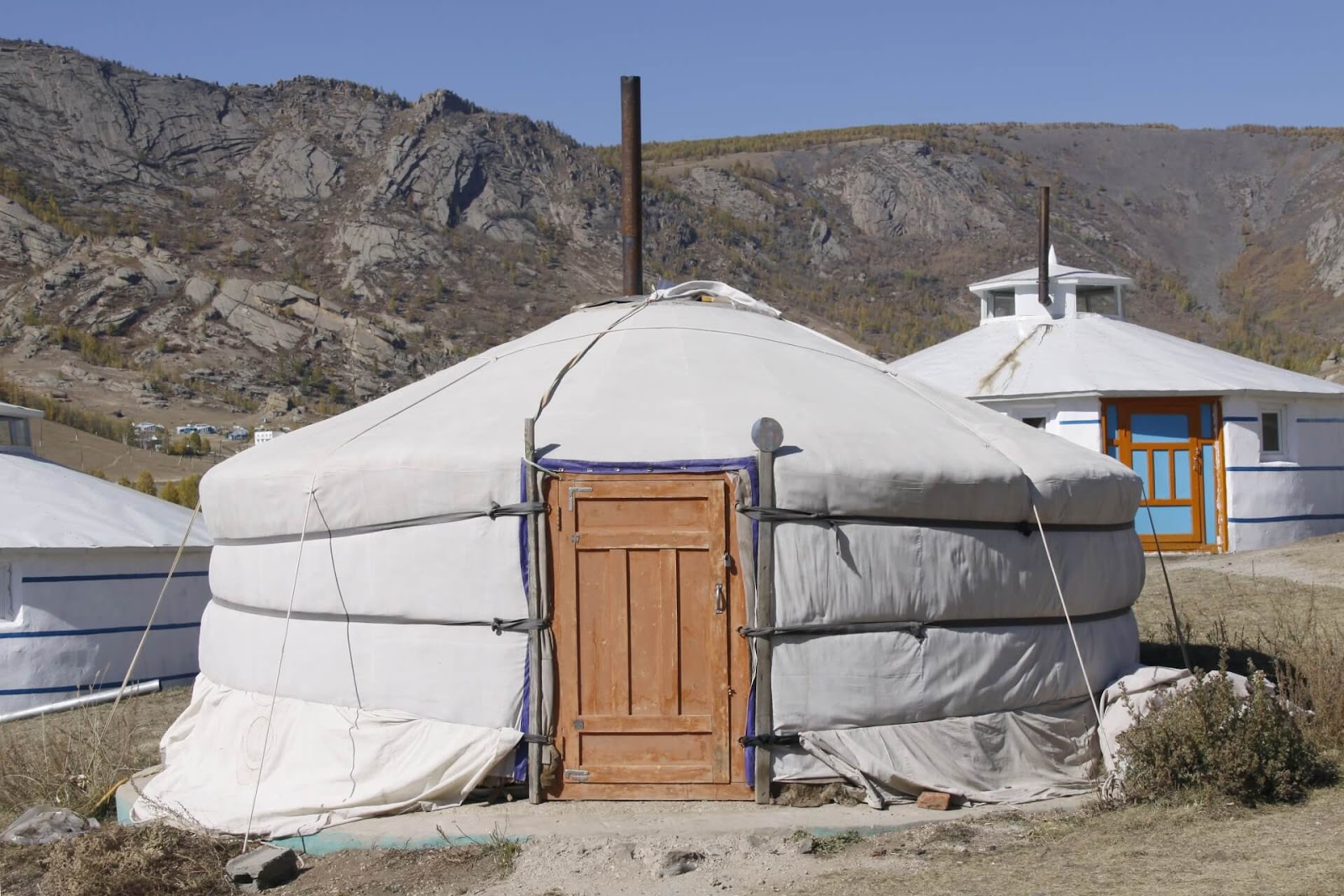
Mongolian food is designed for nomadic life. Rather than chasing flavour or variety, it focuses on getting energy efficiently. Meals are cooked in one pot on the stove in the middle of the ger — mostly boiled or steamed — so dishes tend to be simple. With limited resources on the steppe, food had to be filling, easy to make, and easy to store and carry.
“Red Foods” and “White Foods”
Traditional Mongolian food is divided into meat dishes, called red foods, and dairy products, called white foods. In the past, people ate mostly white foods in summer, when fresh meat was hard to keep, and red foods in winter. Today, with refrigeration, meat is eaten all year. Red foods are made from the meat of the “five animals”: sheep, goats, cattle, horses and camels.
Where You Eat Makes a Difference

The same dish tastes completely different at a restaurant and in a nomad family’s ger. Food made by a nomad mother is simply the best! Maybe it is eating it fresh in the ger, with the cook watching you enjoy it — personally, I think it is the love that goes into it.
Red Foods: 8 Classic Mongolian Dishes
1. Tsuivan

Mongolian stir-fried noodles with mutton and vegetables — Mongolians’ favourite traditional dish, and very filling. The noodles are handmade from flour and cut with a knife. Mutton (or beef) is fried with potatoes, carrots and onions, then salt and water are added and everything is steamed together with the noodles.
2. Buuz

Large steamed dumplings filled with minced meat and onion. At Lunar New Year (Tsagaan Sar), families make huge batches to serve to visitors. Buuz are my number-one Mongolian food — that moment when the juicy filling bursts out is the best! Wrapping them so the juice doesn’t escape takes real skill. They are steamed for 10–15 minutes.
3. Khuushuur

Fried half-moon pastries filled with minced beef or mutton and onion. Everyone eats “Naadam khuushuur” at the summer Naadam festival. Crispy outside and juicy inside, they are eaten by hand, sometimes with ketchup or chilli sauce — but they are great just as they are.
4. Guriltai shul (noodle soup)

A homely noodle soup with mutton or beef, potatoes, carrots and onions. There is also a vegetable-heavy version, nogootoi shul. Perfect when you are tired after a long ride.
5. Khorkhog

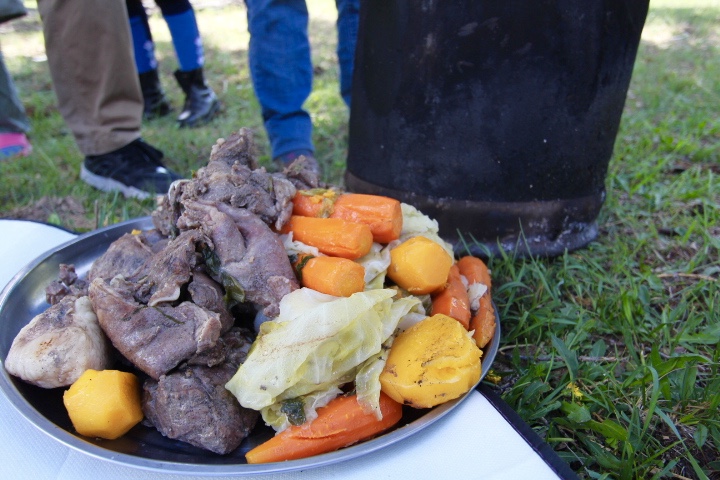
The feast dish of the nomads: mutton on the bone cooked in a sealed pot with stones heated in the fire, plus potatoes, carrots and onions, seasoned only with salt. The meat comes out meltingly tender and the broth is said to be very good for tired bodies. After the meal, people roll the warm stones in their palms — it is believed to relieve fatigue. Nomads take great care to slaughter the sheep with as little suffering as possible; eat with gratitude for the life you receive.
6. Budaatai khuurga (fried rice)

Rice with fried meat and vegetables — a bit like fried rice. Since most Mongolian dishes use flour, a rice dish feels special.
7. Boortsog

Fried dough made from flour, water and salt (often with a little sugar) — the classic snack in nomad homes. Crunchy outside, fluffy inside. Spread with urum (clotted cream), it is a true luxury.
8. Uuts
A whole steamed sheep, essential at celebrations such as Lunar New Year and weddings. It is served following strict rules about which parts go on the platter in which order. The most respected person cuts the first slices from the tail, and offerings are made to the sky and earth, the Buddha and the fire god before everyone starts eating.
White Foods: 7 Mongolian Dairy Products
White foods are what nomads traditionally ate in summer. Some exist only in Mongolia — and some visitors become completely hooked!
1. Suu (milk)

Milk is both an essential drink and the basis of all dairy products — without it, nomadic life could hardly exist. Mongolians milk five kinds of animals: goats, cows, camels, sheep and horses. Milking is mainly done by women, from little girls to grandmothers. The milk is strained through cloth and boiled, and the hot milk served at breakfast or before bed is incredibly rich.

2. Urum (clotted cream)

Boiled milk is left in a cool, airy place until a layer of cream about 1 cm thick forms on top — that is urum. Somewhere between butter and cream, it is eaten on bread or added to suutei tsai (salty milk tea). Utterly addictive.
3. Tarag (yoghurt)

Similar to plain yoghurt, a little more sour, and runny enough that Mongolians say they “drink” it rather than eat it. It is believed to make you sleepy, so it is often offered before bed. Add a little sugar if you like.
4. Byaslag (cheese)

Curds are wrapped in cloth and pressed between boards with stones to remove the water, making a slightly yellow, springy cheese. It is dried on the roof of the ger.
5. Aaruul (dried curd)

Hard, sour dried curd that keeps well and is easy to carry — a common snack and gift. The sourness can be a shock at first, but it grows on you. Sweetened versions sold in shops make good souvenirs.
6. Airag (fermented mare’s milk)

Mare’s milk fermented in a cowhide bag and stirred thousands of times — guests visiting a nomad family are often invited to help with the stirring! It contains only about 1–3% alcohol, and Mongolians drink it from childhood, especially in hot summer weather. It gets more sour over time, so drink it fresh if you prefer it mild. It can upset your stomach, so don’t overdo it.
7. Arkhi (milk vodka)

A spirit distilled from fermented milk at home by nomad families. It has a faint aroma of mutton and is roughly 6–20% alcohol.
These are just a few of the more than 20 kinds of dairy products said to exist in Mongolia. Flavours vary from animal to animal and family to family, so try as many as you can!
Taste Mongolian Food on Tour
On our tours, meals are included, and you will enjoy traditional Mongolian food at our ger camps and campsites along the way.


