



Sain baina uu! I’m Sugi from Tsogto Mongol Horse Riding Tour.
I was nervous before my first trip to Mongolia too: the internet is patchy, the toilets are outside, and I kept worrying about Wi-Fi and whether I could charge my phone. In this guide I cover 12 topics first-time visitors ask about — toilets, showers, water, food, language, internet, safety and more — based on our staff’s experience and feedback from our guests.
Mongolia Is Easier Than You Think

Even if you are worried about the language or facilities, joining a tour with an English-speaking guide lets you enjoy life on the steppe from day one. Around 30–40% of our guests travel solo, including many women, and some guests who met on a tour come back together for the next trip.
1. Toilets

Toilets depend a lot on where you stay and the season. Ulaanbaatar hotels and our tourist ger camp (in summer) have flush toilets; nomad families have outdoor pit toilets; on tent nights and while riding or driving, you go outdoors. In winter the flush toilets at the ger camp are closed because pipes can freeze.
- Never flush toilet paper anywhere in Mongolia — use the bin, or drop it into a pit toilet.
- While riding, you go during breaks behind a rock or hill. In a vehicle, tell the driver early and they will stop somewhere out of sight of the road.
- Carry some toilet paper or tissues — even in Ulaanbaatar, paper is sometimes outside the cubicle or missing.
Details: toilets and showers in Mongolia.
2. Showers
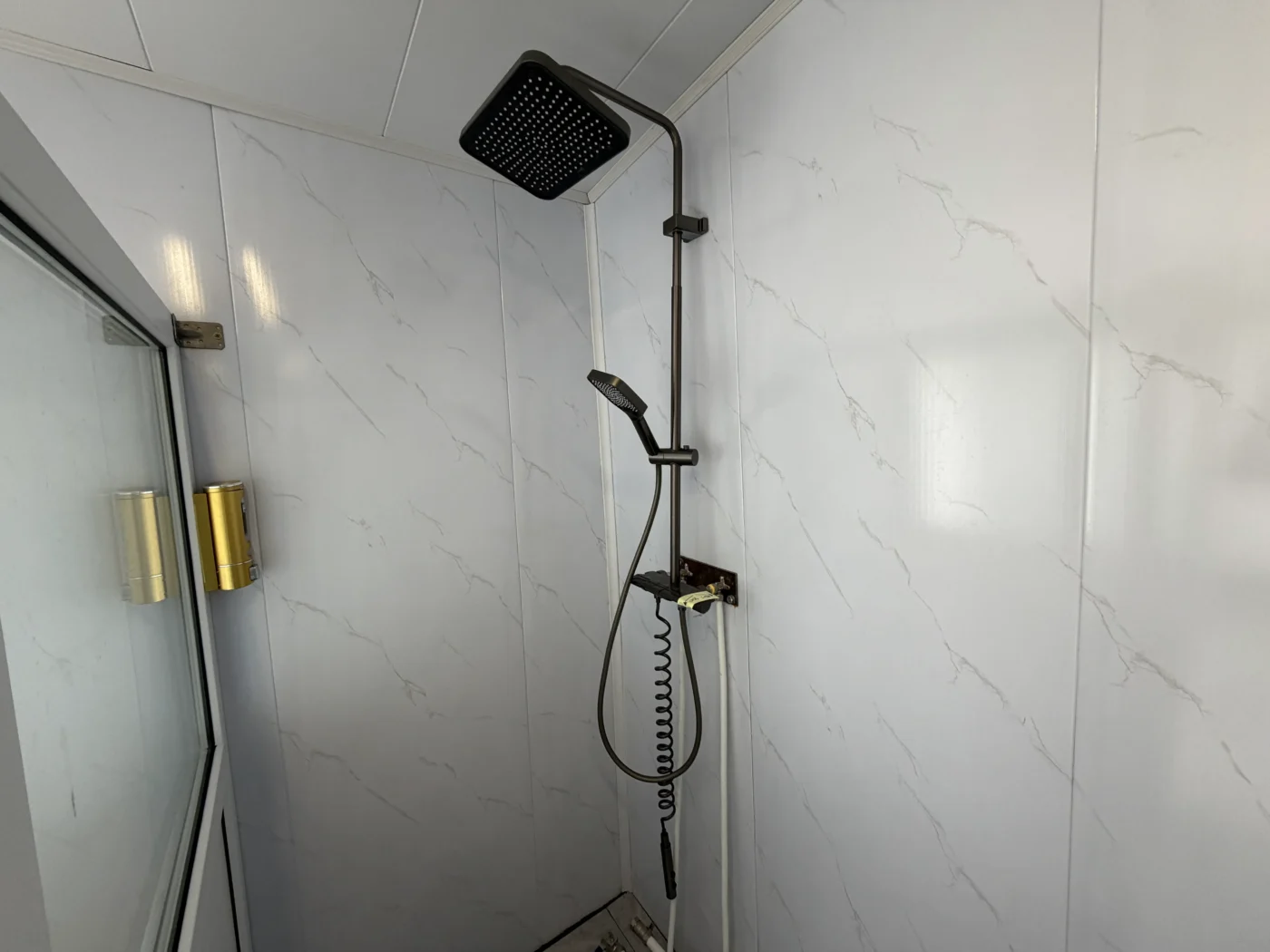
There is often no shower on the steppe. Our ger camp has hot showers in summer; nomad family gers and tent camps have none. On tent nights you use bottled water to wash your face and brush your teeth. Large wet wipes are a lifesaver — with them, a few days without a shower is surprisingly comfortable.
3. Water and Health

Don’t drink the tap water — drink bottled mineral water. On our tours we provide one bottle of water per person per day; you can buy more locally, and hot water, milk tea and coffee are free.
- Vaccinations: none are required to enter Mongolia, but check with your doctor or travel clinic about recommended ones (such as tetanus, hepatitis A and B, typhoid and rabies), especially if you will spend a lot of time outdoors.
- Dogs: nomads’ guard dogs are vaccinated against rabies every year, but please keep your distance and don’t feed them.
- Stomach: bring your usual medicines and something for an upset stomach. Unpasteurised dairy products can carry brucellosis.
4. Food
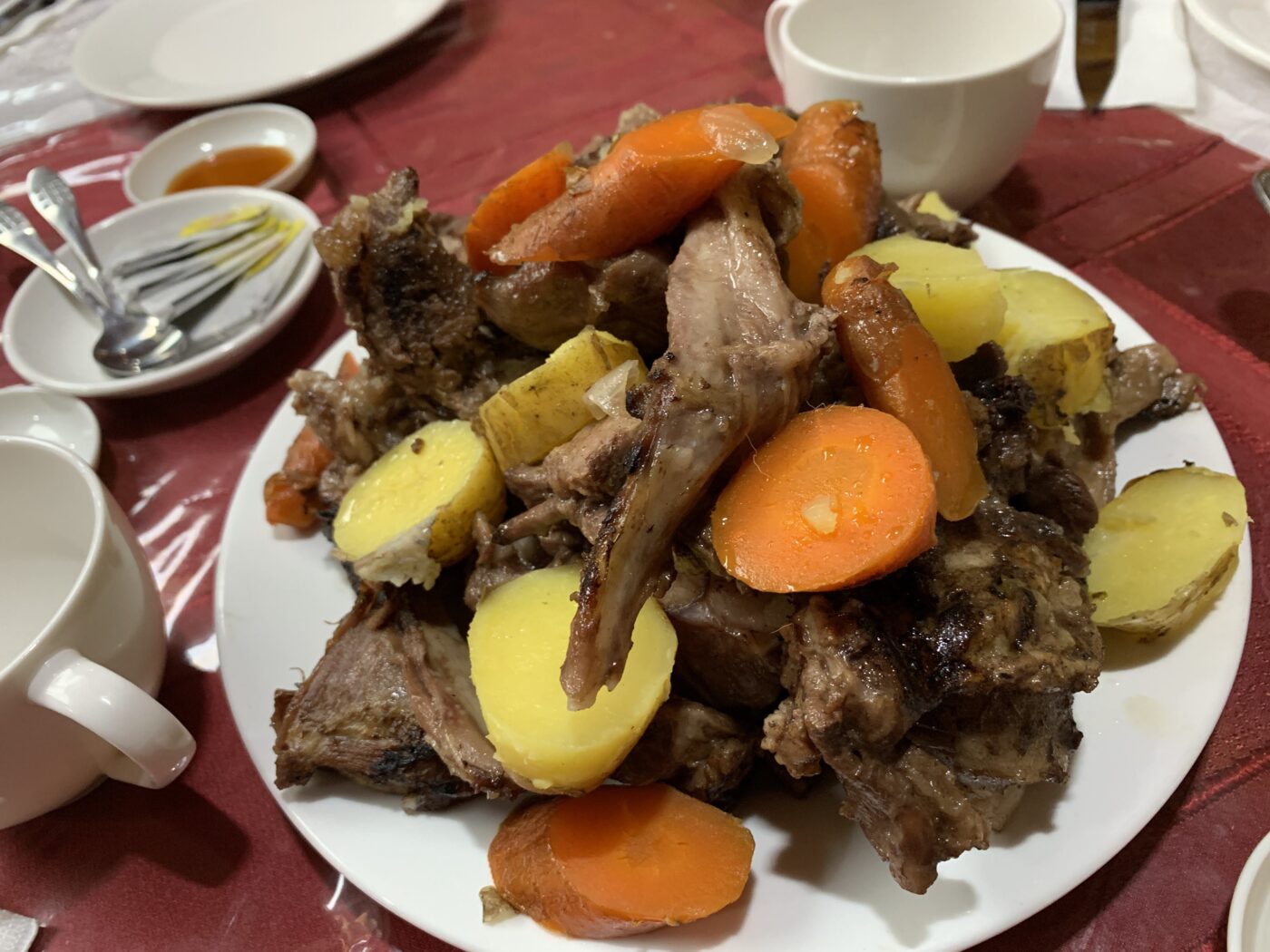
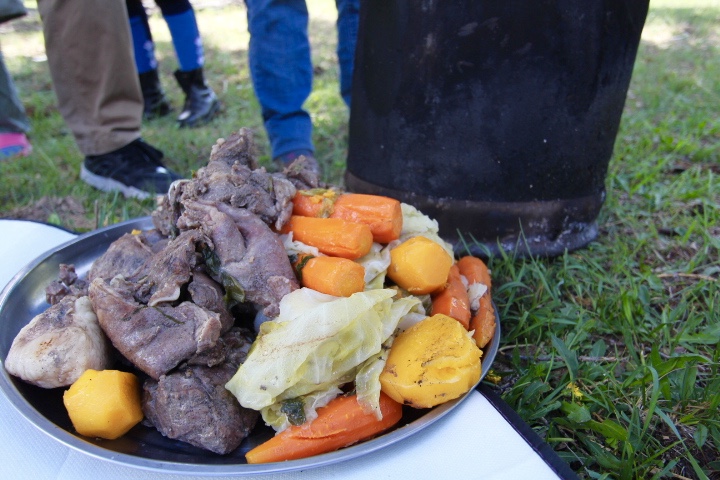
Mongolian food centres on mutton, and so do the meals on our tours. It is difficult for us to change meals for other meats or for allergies, so please ask us before booking if you have dietary needs. At our camps we cook in a way that is easy to enjoy, and guests often tell us they liked it. I didn’t like mutton at home myself, but the food at our camps was genuinely delicious!
If you are worried, bring a few instant noodle cups — tourist camps will give you hot water. More: traditional Mongolian food.
5. Language

The official language is Mongolian, written in Cyrillic. On our English-guided tours, your English-speaking guide stays with you, including while riding. With nomad families, translation apps and gestures go a long way — on my first winter stay, I couldn’t finish my salty milk tea, and at the next meal the mother quietly switched it to black tea without a word being said.
6. Internet and Charging

Mobile signal is weak on the steppe: nomad gers usually have only 3G, and sometimes nothing at all. Expect video streaming and calls to be difficult. At tourist camps you can charge in each ger, but the power comes from a generator and may be slow. Nomad gers generally can’t offer charging, so bring a power bank. Sort out a SIM card or eSIM before you arrive.
7. Safety
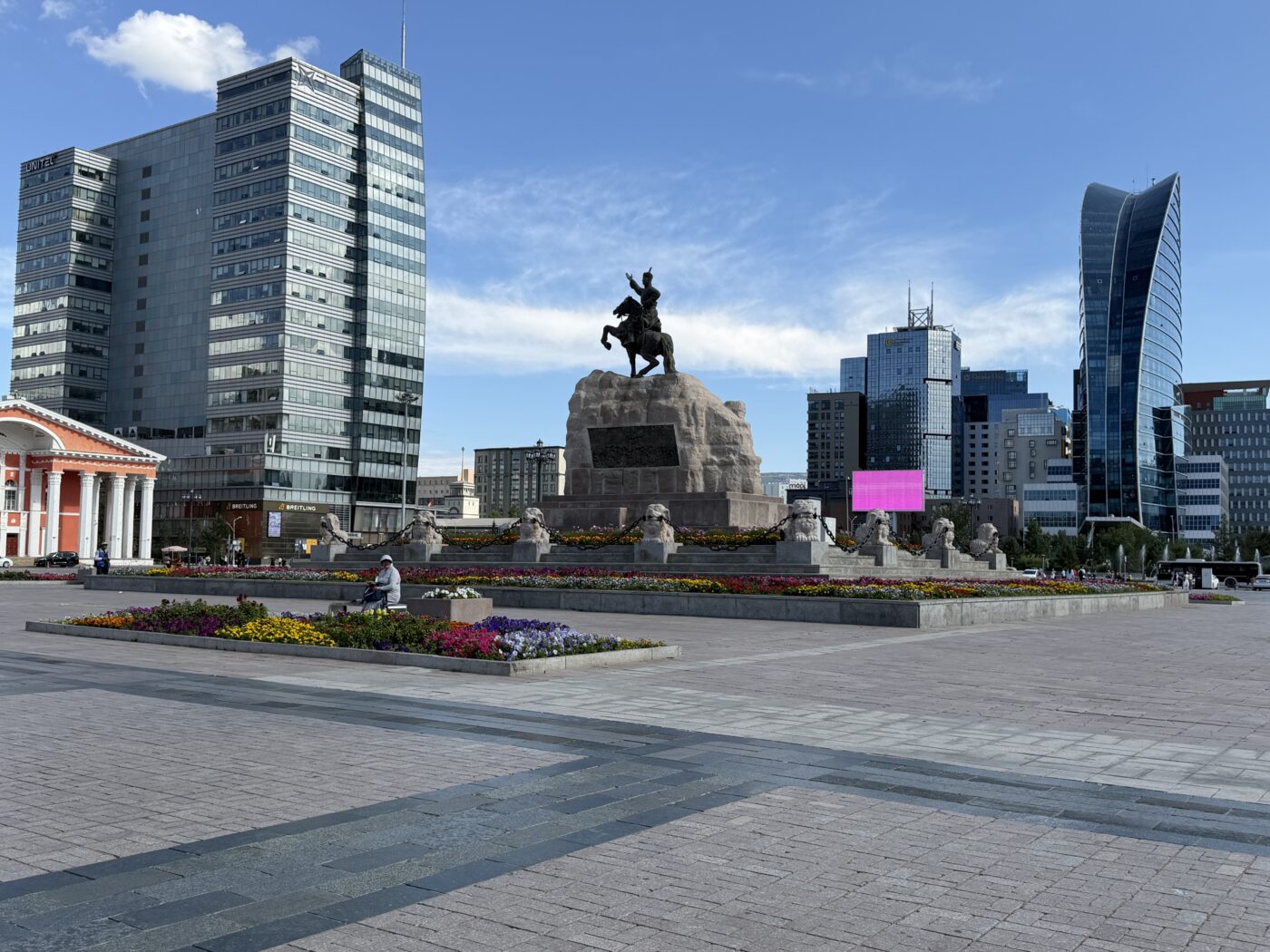
Mongolia is fairly safe for travellers, but pickpocketing and bag theft happen in Ulaanbaatar. We ask guests to avoid going out after 9 pm. New Year’s Eve in Sükhbaatar Square is extremely crowded. More: is Mongolia safe? 9 things to watch out for.
8. Insects, Sun and Temperature Swings

Summer sun is strong and the air is dry, and mornings and nights are cold. Even in summer, bring a down jacket for stargazing at night. In August there are hardly any mosquitoes, but there are flies. On my first summer trip I wasn’t prepared: sunburnt arms, peeling lips, a cold night — and a sleepless one after I left my insect repellent in my suitcase. See Mongolia weather and what to wear by month and our summer packing list.
9. Getting Around
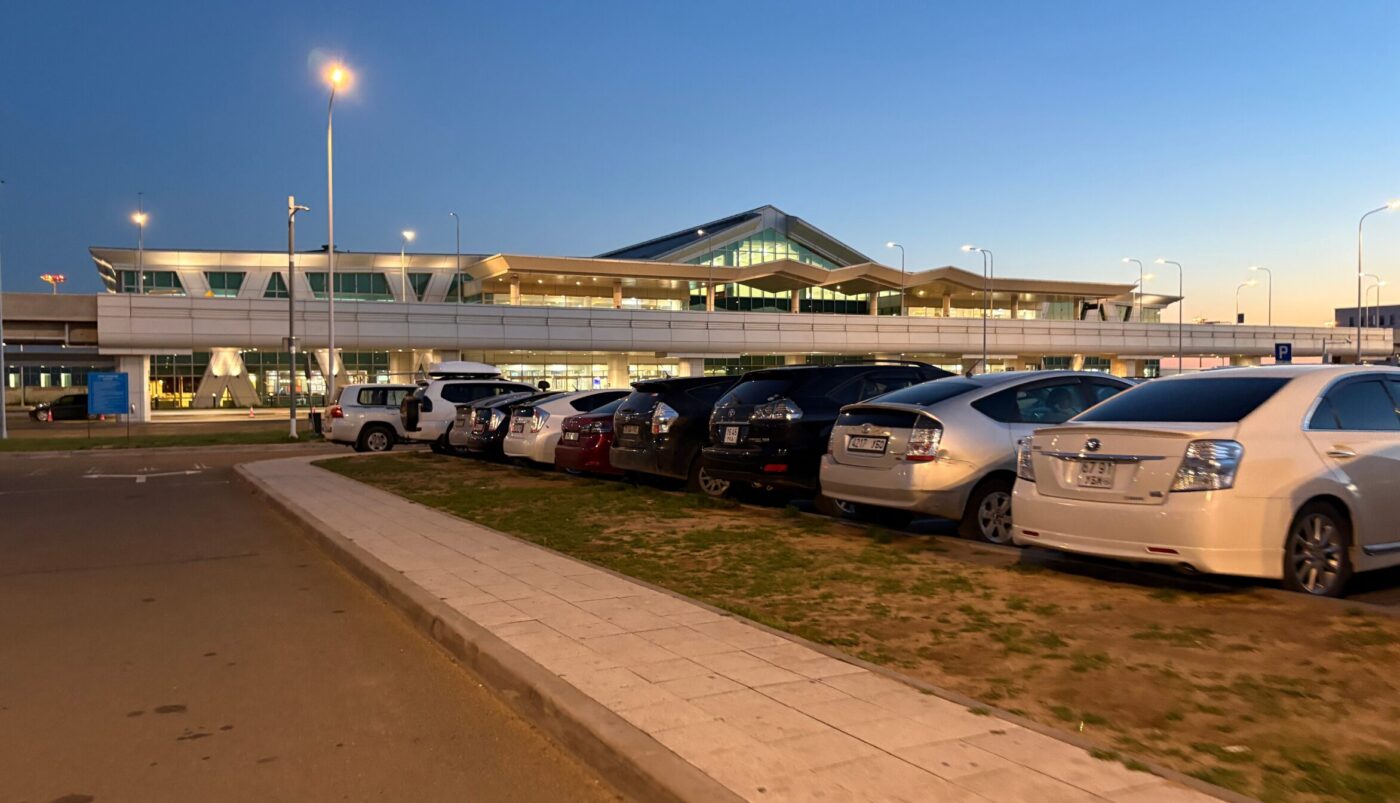
International flights arrive at Chinggis Khaan International Airport near Ulaanbaatar. From the airport to the city you can take a taxi or a bus — or, if you join our tour, we can pick you up. More: getting from the airport to Ulaanbaatar.
10. Money

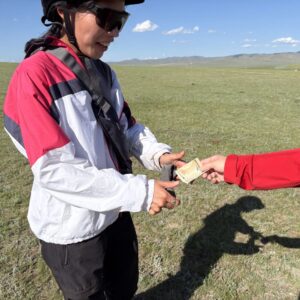
The currency is the tugrik (MNT). On our English-guided tours, you pay the tour fee in cash (US dollars or tugrik) on arrival, and drinks and souvenirs at our camps can be paid in US dollars. A guest once told us an airport ATM kept their card; when I tested it myself it worked fine, but I don’t particularly recommend relying on it. More: money in Mongolia.
11. Health and Insurance

Get travel insurance that covers emergency evacuation. Because our tours include horse riding, insurance is required. See the riding safety manual and insurance for horse riding in Mongolia.
12. Manners and Taboos
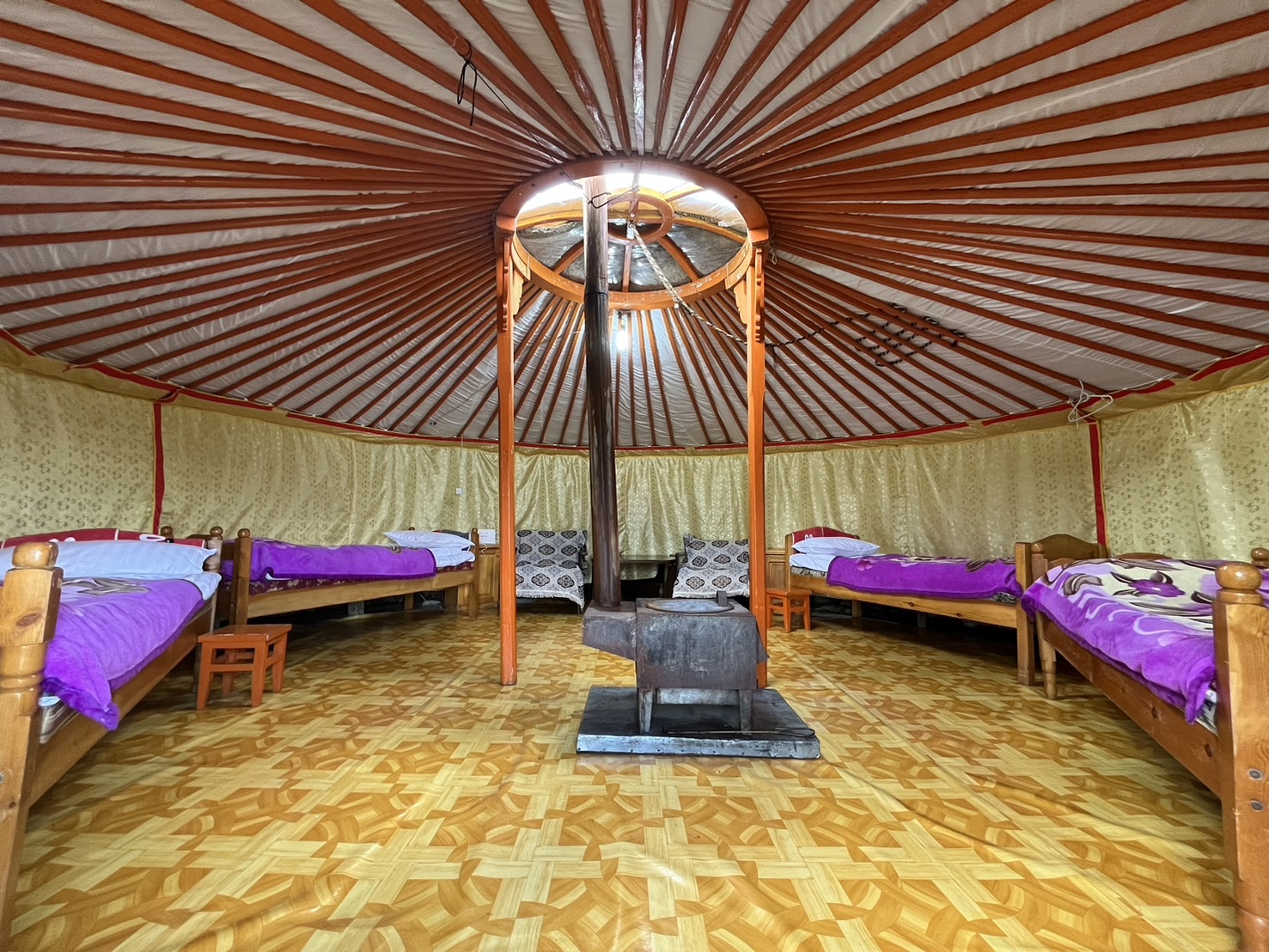
When visiting a nomad family’s ger:
- Don’t walk between the two central posts (bagana) — it is said to separate the couple of the house.
- Don’t enter or leave a ger with a load on your back.
- When offered food or drink, take at least a sip or a bite — don’t refuse without tasting.
- Give and receive things with your right hand.
- Step in with your right foot first.
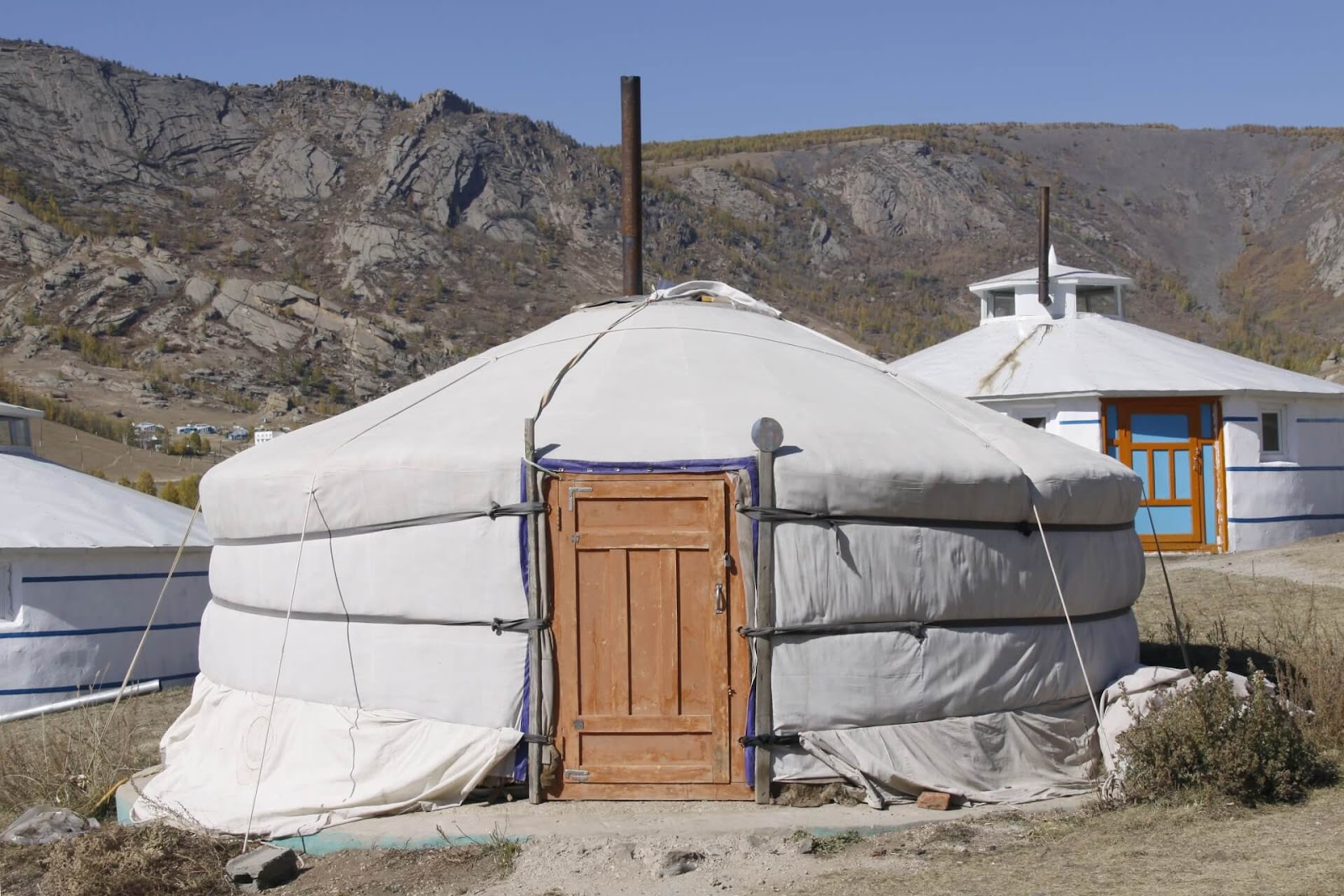
More about gers: the Mongolian ger explained.
FAQ
How many days do I need in Mongolia?
We recommend five or six days to enjoy nature, culture, riding and food without getting worn out by travel. Ulaanbaatar and Terelj alone can give you a taste in three days.
Can I visit Mongolia in winter?
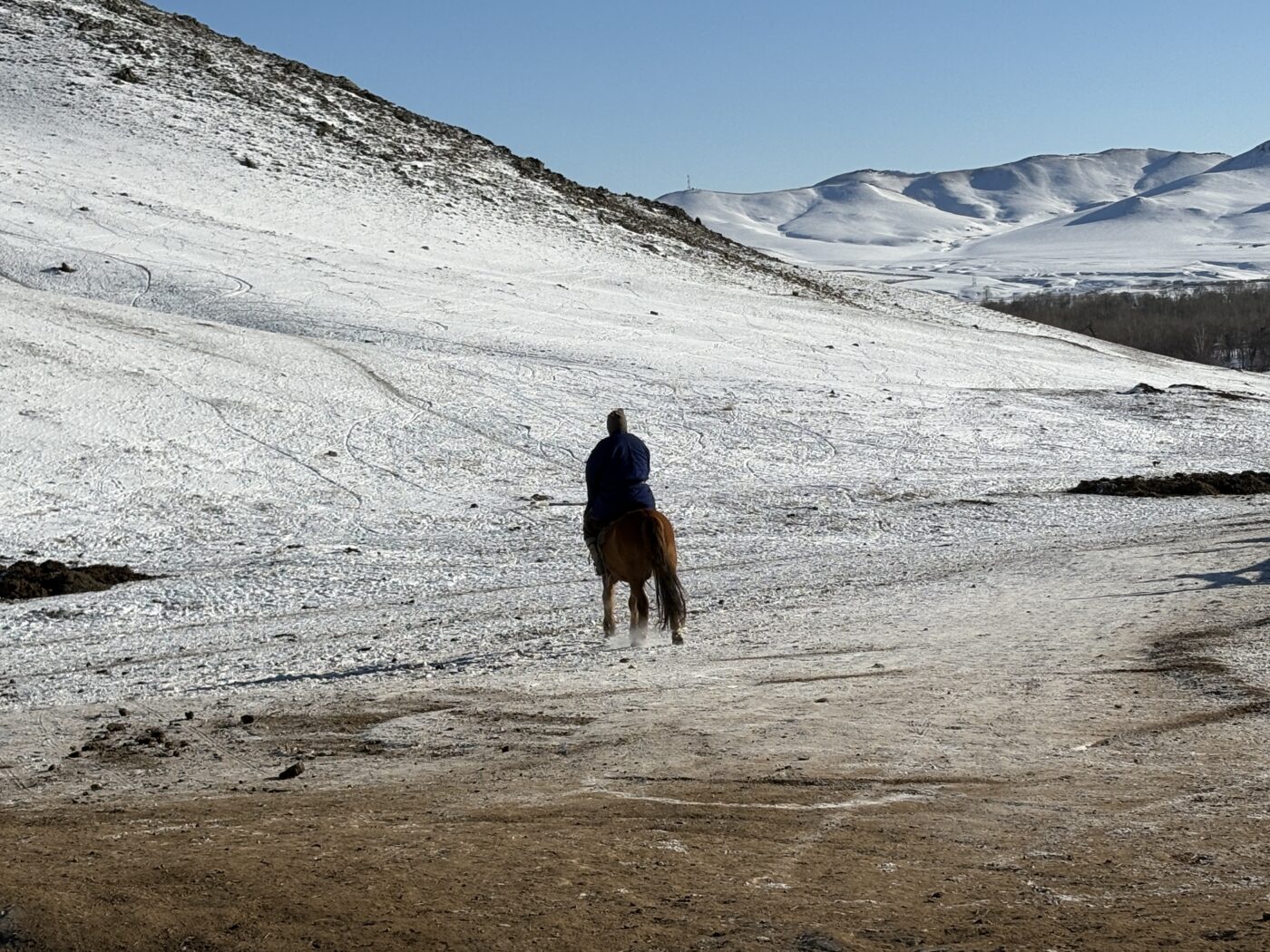
Yes. It gets down to −20 to −40°C, but inside a ger with the stove going it can be warm enough for a T-shirt.
What should I check before I go?
Your own government’s travel advice for Mongolia, visa requirements for your nationality, and travel insurance that covers horse riding.
Ready for the Steppe?
Toilets, water, food — once you know what to expect, there is nothing to be afraid of. Questions? Contact us any time.