Do You Need Insurance for a Horse Riding Tour in Mongolia? How to Choose Travel Insurance That Covers Falls and Medical Evacuation
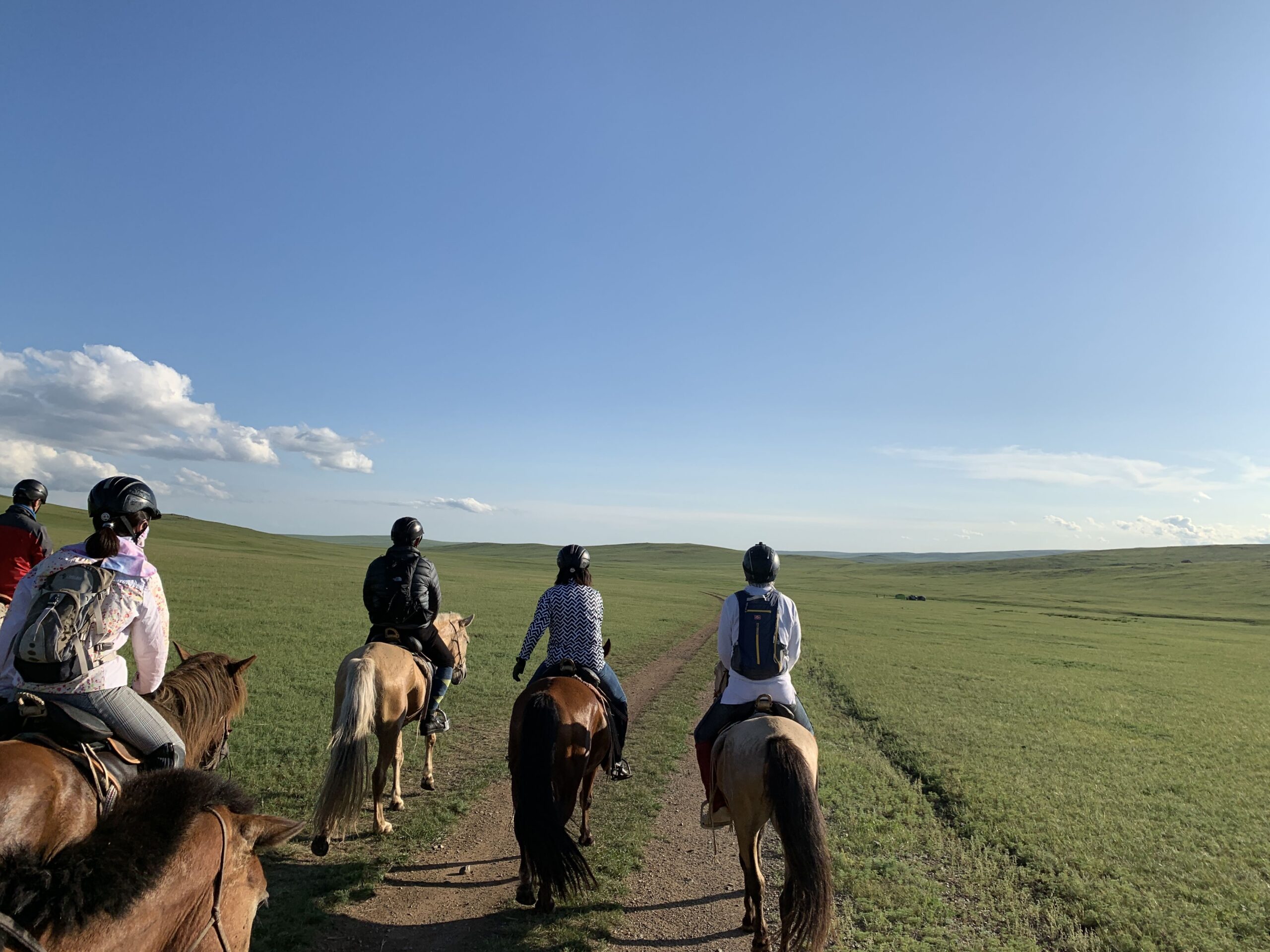
Sain baina uu! I’m Sugi from Tsogto Mongolia Horse Riding Tour.
Travel insurance is mandatory for everyone who joins our tours and rides across Mongolia’s vast steppe.
In this article I’ve put together, as simply as possible, the minimum you need to know about travel insurance to be prepared for the “what ifs” — a fall, a hospital visit or an emergency trip home. Please read it before your tour!
Travel insurance is required to join a Tsogto tour
So that you can enjoy Mongolia’s open skies and steppe to the fullest, travel insurance is mandatory on all Tsogto tours as protection against the unexpected. It’s not a recommendation — you cannot join the tour without it.
Horse riding is an activity with risk
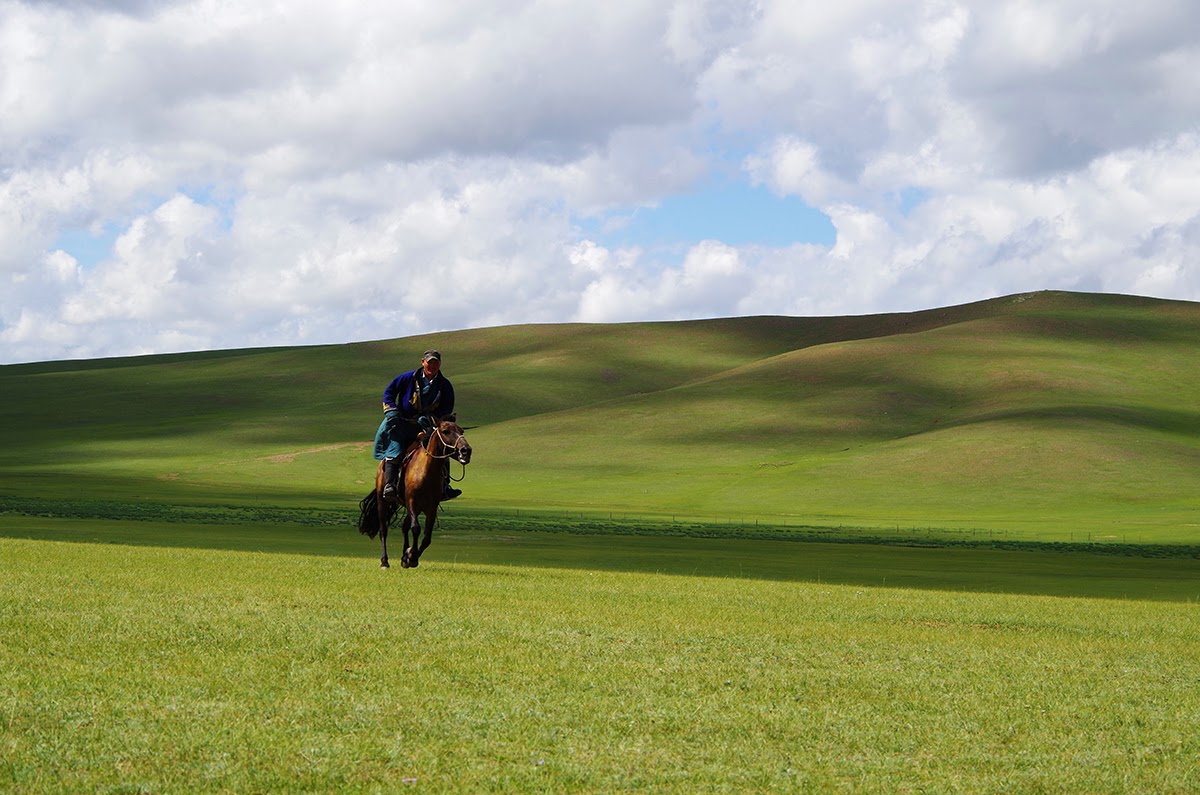
Tsogto’s horses are well raised and cared for by nomad families, but horses are still living animals. They can be startled by the sound of the wind, suddenly start running, or react in unexpected ways.
In fact, foreign embassies in Mongolia have issued warnings about serious injuries from falls on horse riding tours.
Tsogto takes every possible precaution for your safety, but we cannot guarantee that no one will ever fall. In the event of an accident, we cannot provide compensation, so you will rely on your own travel insurance.
That’s exactly why it’s important to have insurance as “one more layer of reassurance.”
Local medical care and evacuation can be very expensive
If you get injured and need to see a doctor, your home health insurance usually won’t work in Mongolia. You will have to pay for treatment, tests, interpreters, extra nights of accommodation, vehicles and more yourself.
What people often overlook is that evacuation from a remote area costs far more than the treatment itself.
If a Mongolian hospital can’t provide the care you need, you’ll be evacuated by a chartered air ambulance with a doctor and nurse on board. One medical evacuation from Mongolia to Japan cost about US$100,000 (¥16 million), and there have been overseas evacuation claims exceeding US$270,000 (¥40 million).
You may be thinking “that won’t happen to me,” but insurance isn’t for what “shouldn’t” happen — it’s for when it does.
The amounts are on a completely different scale, so this is the one place we ask you not to cut corners.
How much cover? Our requirement
The Embassy of Japan in Mongolia, in its warning about riding tours, recommends “medical treatment and rescue/evacuation cover of at least ¥30 million” (roughly US$200,000), and specifically advises people relying on credit-card insurance to check that the cover is sufficient. We use the same guideline.
Tsogto’s requirement: medical treatment + evacuation/repatriation cover of at least US$200,000 (about ¥30 million).
What kind of insurance should you choose? 3 points
You are free to choose any insurance company for a Tsogto tour. However, your policy must meet the following three conditions to join the tour.
Please check before you leave, so that you don’t find out too late that “it didn’t cover this.”
① Medical treatment + evacuation cover totaling at least the amount above
One tip when checking your policy: insurers show the cover in two different ways.
- Combined: “Medical & evacuation expenses: XX” → use that amount.
- Separate: “Medical expenses: XX” and “Emergency evacuation / repatriation: XX” → add the two together.
In many policies, the cost of medical evacuation home is included under evacuation/repatriation, not medical expenses. If you only look at one line and think “that’s enough,” you may actually be short — please be careful.
If you’re worried, a policy with unlimited medical/evacuation cover gives you extra peace of mind.
② It covers what you’d need in an emergency in Mongolia
Some policies limit the regions or types of cover.
Just to be sure, check that your policy covers medical treatment and emergency evacuation in Mongolia.
③ You can contact your insurer easily
If something happens on the ground, it’s reassuring to be able to reach your insurer quickly. Some insurers can be contacted via WhatsApp or other messaging apps, or through a dedicated app. Check in advance how you would contact them in an emergency.
How much more does higher cover cost?
“Higher cover” sounds as if it would push up the premium quite a bit — I thought so too at first.
But when I actually compared quotes, the difference was much smaller than I expected. In one comparison (8 days, 1 person, age 50, sightseeing, Japanese insurer, August 2026), raising medical/evacuation cover from about US$65,000 each to about US$200,000 / US$130,000 increased the premium by only about US$4, and going to unlimited medical cover added only about US$10 in total.
Compared with the tour price, that’s the cost of a cup or two of coffee. There’s little reason to skimp here.
*Premiums vary by insurer, age, trip length and destination. Please check the actual price for your own situation.
Isn’t horse riding excluded as a “dangerous sport”?
Typical travel insurance excludes “hazardous activities” such as:
- Mountaineering using ice axes, crampons, ropes, etc., and rock climbing
- Skydiving, hang gliding, piloting aircraft
- Luge, bobsleigh, skeleton
- Racing, competing or practicing with cars, motorbikes, motorboats, etc.
Horse riding is usually not on this list, so the riding on Tsogto’s tours is normally covered.
However, conditions differ between insurers — some policies do exclude or limit horse riding — so if you’re unsure, check with your insurer before you buy.
If you’re relying on credit-card travel insurance
As the embassy warning specifically mentions, credit-card insurance needs some care.
The biggest issue is the amount of cover. Medical and evacuation cover on credit cards is often only a few thousand to a few tens of thousands of dollars — far below the level above. In most cases, one card alone will not meet the tour requirement.
Besides the amount, also note:
- The insurance may only apply if you paid for your travel (e.g. flights) with that card.
- Some cards require the trip to be paid as a package tour.
- Some cards’ cover is very basic.
If you hold several cards, medical and evacuation cover can sometimes be combined, so adding up your cards is one option. Rules differ (for example, death/disability benefits often aren’t combined — only the highest applies), so check with your card issuer to be sure.
If you’re short, there are policies that top up just the missing amount at low cost. Rather than forcing it with a card alone, a top-up is the safer choice.
What do our staff do? Real insurance stories
How do the staff who actually work in Mongolia handle insurance? Here are a couple of real examples, in case they help.
Takeshi
“I pay for my travel costs with a premium credit card (with an annual fee) so that I get cover worth tens of millions of yen.”
Sugi
“For trips without riding, the insurance that comes with my gold card is enough. But when I’m going to ride a lot, it’s a different story — I buy travel insurance online. It only takes a few minutes and costs less than you’d think.”
Safety preparations to make before your tour
Here are the points to check before you leave, so you can handle things calmly in Mongolia.
Bring a credit card
If you see a doctor locally, you’ll usually pay the costs up front with a credit card. Be sure to bring at least one card with plenty of available credit.
Check how to contact your insurer
Being able to reach your insurer right away when something happens is very important.
- Contact details from overseas (phone, email)
- A copy of your certificate of insurance and policy number
- Whether there’s an app or online form
Some areas have patchy reception, so save screenshots and keep a paper copy too.
Know which hospital documents you’ll need
To make a claim, you’ll need to get a medical certificate and receipts from the hospital in Mongolia.
In some cases they can’t be issued unless you ask on the spot, so we strongly recommend checking your insurer’s document requirements before you leave.
Prepare well and head out to the steppe
Traveling with horses in Mongolia, lots of things happen that never would in everyday life. Being prepared for the unexpected will let you enjoy your trip even more freely. Prepare well, and set off for the steppe with peace of mind.
Before your riding tour: safety links
If you’d like to know more or are getting ready for your trip, please also see:
- Mongolia Horse Riding Safety Manual — please read before riding.
- Terms & Conditions — our insurance requirement is stated here.